Buying Guides
Mazda RX-7 FD From Japan: The Rotary Icon
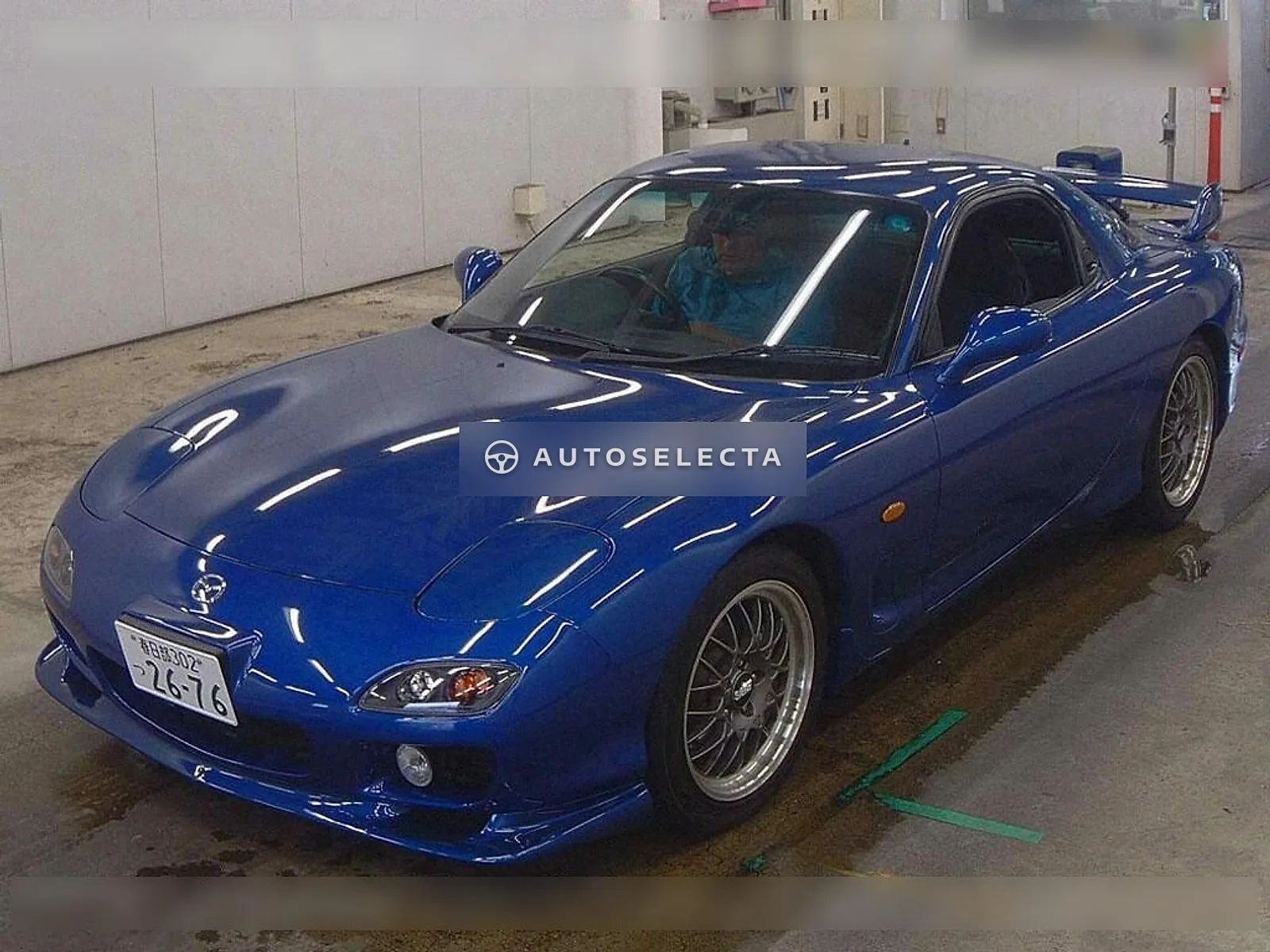
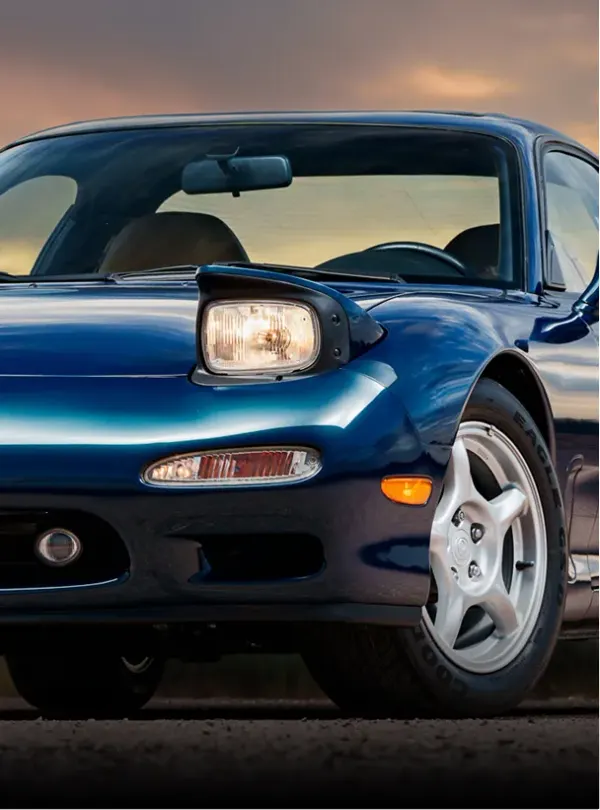
The third-generation Mazda RX-7 (the FD) is still one of the most striking performance cars Japan has built. Its flowing shape, light and balanced chassis and twin-turbo rotary engine make it feel unlike its rivals. This guide covers what makes the FD special, which versions matter and what to check before you buy one from Japan.
At a glance
- The FD uses the 13B REW twin-rotor engine with sequential twin turbos. Japanese cars made about 255 PS at first, rising to 280 PS on the final manual models.
- The Spirit R (2002) is the most desirable factory edition. The Type A is the two-seat manual with Recaro seats, BBS wheels and Bilstein suspension.
- Check that badges and styling match the exact year and specification. Auction listings can show parts added later.
- Rotary engines need specialist checks. A compression test is not something a visual inspection can replace.
- Original cars are getting harder to find, and the US 25-year rule has widened demand.
Why the RX-7 FD is so special
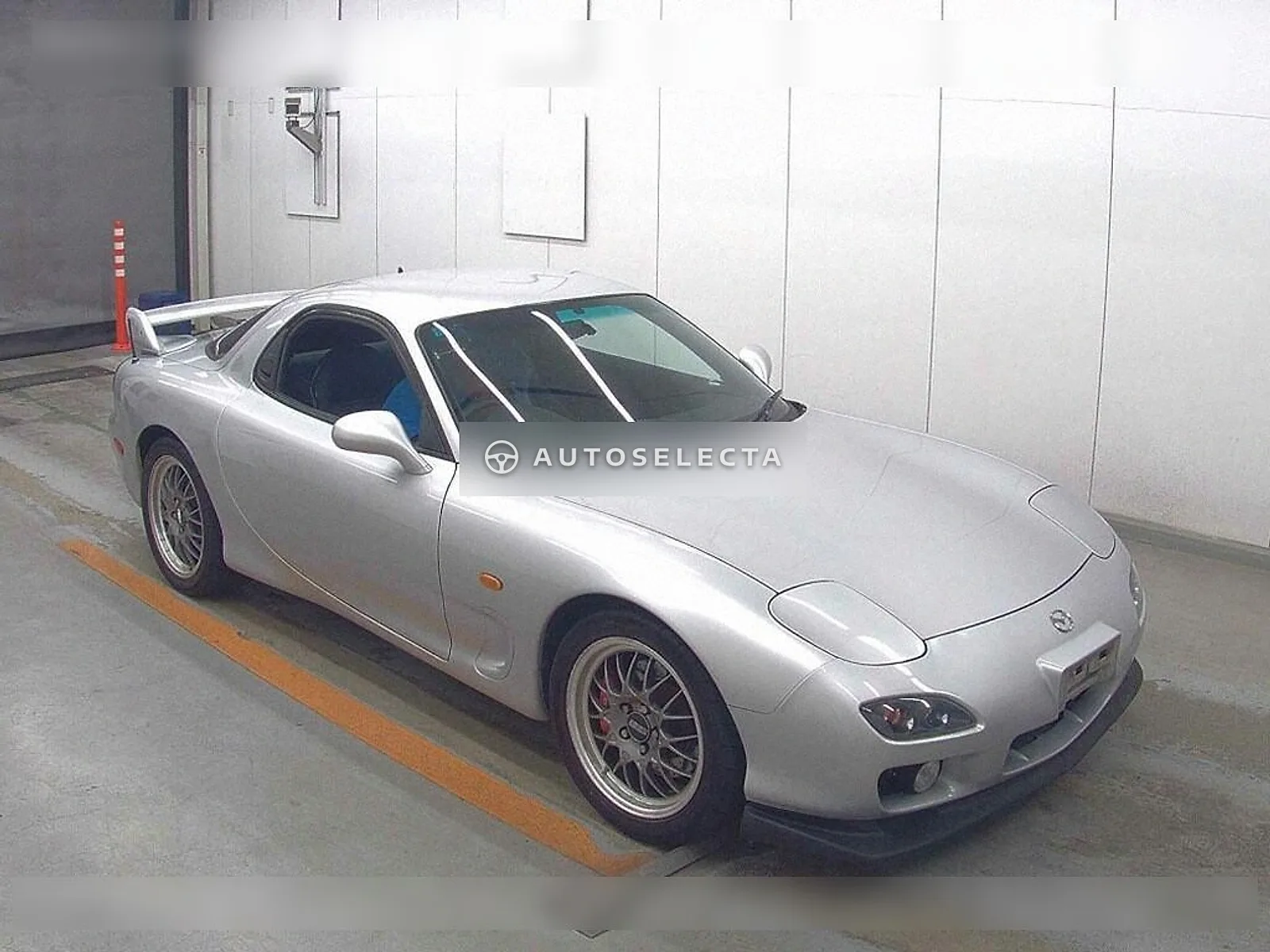
Introduced in Japan in late 1991, the FD was a big departure from its angular predecessor. The low bonnet, flowing wings, compact cabin and integrated rear spoiler gave it an almost timeless look.
The engineering matches. Mazda worked to keep weight low, place major components carefully and build a chassis that responds naturally to the driver. The compact rotary engine sits low and far back, which gives the car its balance. While the Skyline GT-R and Supra became famous for tuning potential, the RX-7 is known for how it drives, and a well maintained original FD still feels responsive and engaging.
The 13B rotary engine
At the heart of the FD is Mazda's 13B REW twin-rotor engine. Instead of pistons it uses rotating triangular rotors in specially shaped housings, which makes it compact, high-revving and distinctive in sound. Mazda added sequential twin turbocharging to give useful response at low revs while keeping strong performance higher up.
Early Japanese models made roughly 255 PS, and output rose with later development. The final manual Spirit R Type A made 280 PS. The numbers tell only part of the story: the smooth delivery, rapid response and soundtrack are what make the car.
The Spirit R: the ultimate factory edition
When Mazda prepared to end RX-7 production in 2002, it launched the Spirit R. There were three versions:
- Type A: the focused two-seat manual, with lightweight Recaro bucket seats, BBS wheels, Bilstein suspension and upgraded brakes. 280 PS.
- Type B: a manual with four seats and red leather. 280 PS.
- Type C: four seats with an automatic gearbox. 255 PS.
The Type A is especially attractive to collectors, particularly in the exclusive Titanium Gray Metallic finish. A Spirit R with its correct equipment, original paint and a convincing service history is becoming hard to find.
Type R, Type RS and Type RZ
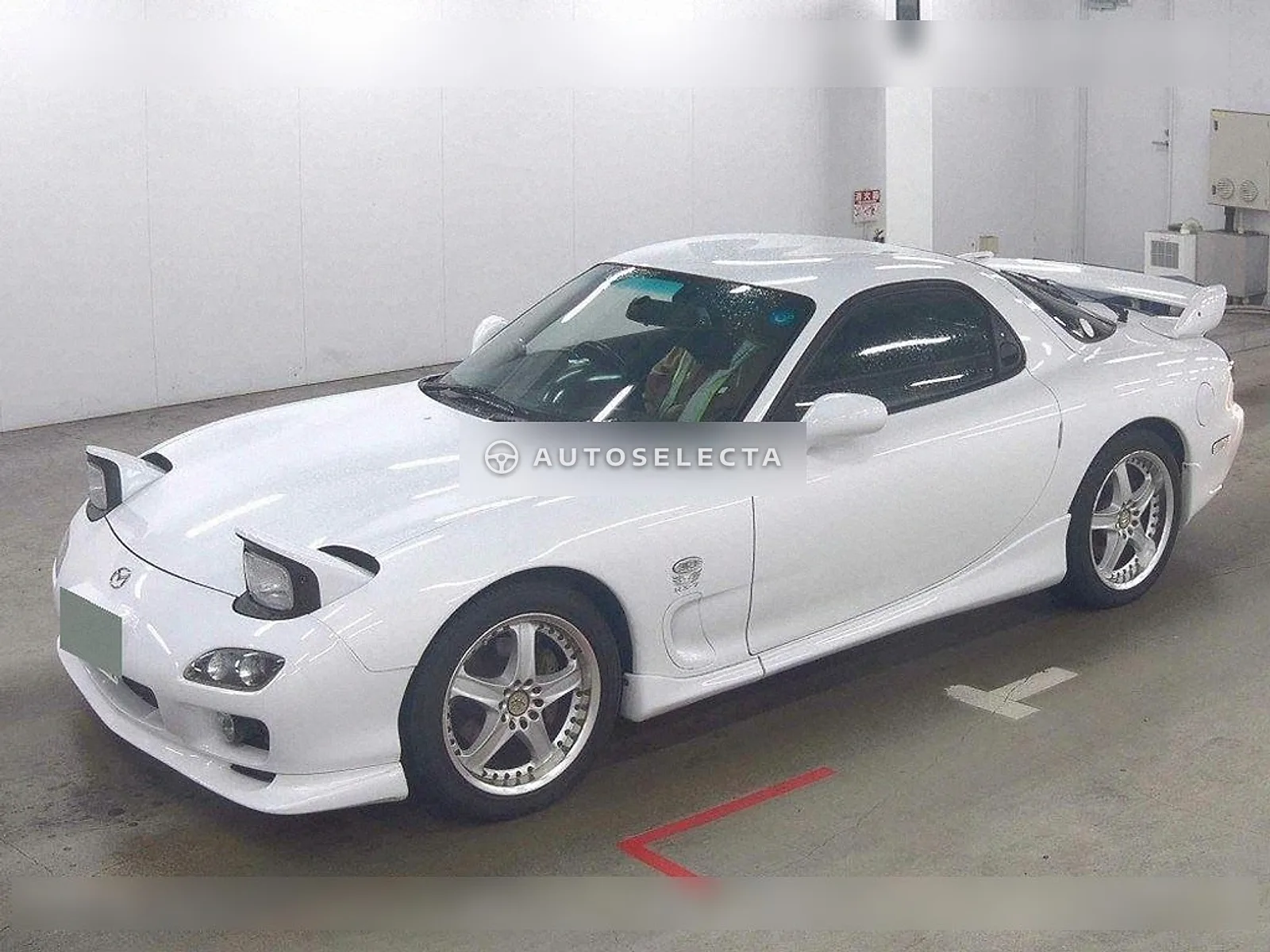
The Spirit R is far from the only desirable FD. The Type R is the classic performance specification and a great choice for enthusiasts. The Type RS added more focused equipment and further development in certain years. The limited Type RZ has lightweight equipment and distinctive factory features.
The FD changed a lot during production, so check the exact year, specification and factory identification. Auction listings can occasionally describe a car using badges or styling added later, so verify originality before paying a premium for an edition.
Japan's tuning culture and the RX-7
Few Japanese cars have inspired as much creativity as the FD. The rotary's tuning potential made it a favourite of workshops, motorsport teams and enthusiasts, and companies such as RE Amemiya built some of the best-known modified RX-7s. Some have turbo upgrades, revised engine management, extensive cooling and carefully developed suspension. Others have wide-body kits and aero for circuit driving.
A properly engineered modified RX-7 can be extraordinary. Heavily tuned rotaries, though, need careful inspection and an understanding of how the modifications affect reliability. For collectors, original cars offer a different appeal. Japan has both, from carefully preserved factory cars to highly developed builds.
Why original FDs are in demand
Japanese production ended in 2002, after about a decade. Distinctive styling, rotary engineering and an exceptional driving experience have made the FD one of the defining Japanese performance cars of its era. Demand has grown abroad as more cars become eligible for import. Under the US 25-year rule, early FDs are already US Federal Import Eligible and later cars follow as they age.
The supply of original cars is finite, and many have been modified or used in motorsport, so excellent factory cars and rare editions can sell at a premium. Condition, authenticity and mechanical health still matter more than buying the most expensive car available.
What to check before buying
The rotary is a brilliant piece of engineering but needs knowledgeable maintenance. Check:
- Compression, tested with proper rotary procedures
- Cooling system condition and any history of overheating
- Oil consumption and turbocharger operation
- The sequential turbo system, which has complex controls and vacuum components
- Accident repairs, corrosion, chassis damage and poor-quality modifications
- Service history and documented mechanical work
An RX-7 with good bodywork but an unhealthy engine can become an expensive restoration. A properly maintained car with documented work is often worth more than a cheaper one with an uncertain history.
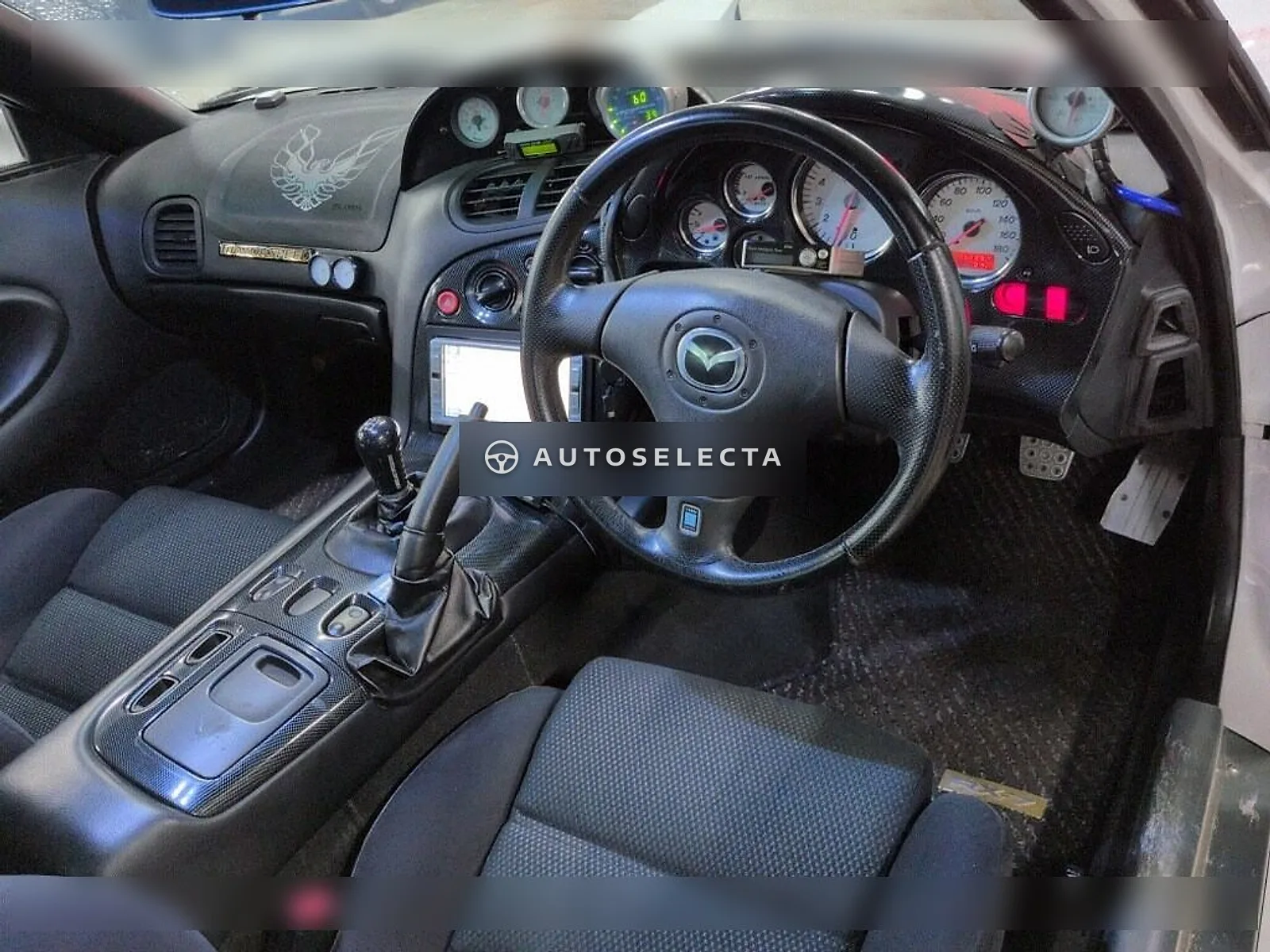
Have your RX-7 inspected in Japan
Our Inspector Report Package costs £50. An inspector in Japan looks at the car before you bid and takes up to 50 extra photos, subject to auction access. They can look into concerns on the auction sheet, and for an RX-7 we suggest particular attention to the underside, chassis, engine bay, modifications and signs of previous repairs. Where access allows, they may be able to note engine startup behaviour and unusual noises.
A visual inspection is not a full mechanical inspection and does not replace a rotary compression test, which needs specialist equipment and separate arrangements. It still gives you useful information on an older performance car. If you buy the car through us, the £50 is credited in full towards your payment.
Which FD we would buy
The Spirit R Type A is one of the most desirable factory RX-7s. Its exclusive specification, final-production status and interior details make it a compelling collector car. For pure driving enjoyment, though, an original manual Type R with an excellent maintenance history would be hard to resist.
The RX-7 is not about the biggest horsepower figure. Its achievement is the way the rotary engine, responsive chassis and balanced proportions work together. It feels special before you start the engine, which is why enthusiasts keep searching for them.
Find your Mazda RX-7 through Autoselecta
Autoselecta gives you access to Japanese auctions, translated auction sheets and previous auction information. See also our Mazda RX-7 buying guide.