Buying Guides
Honda NSX From Japan: NA1, NA2 and Type R Guide
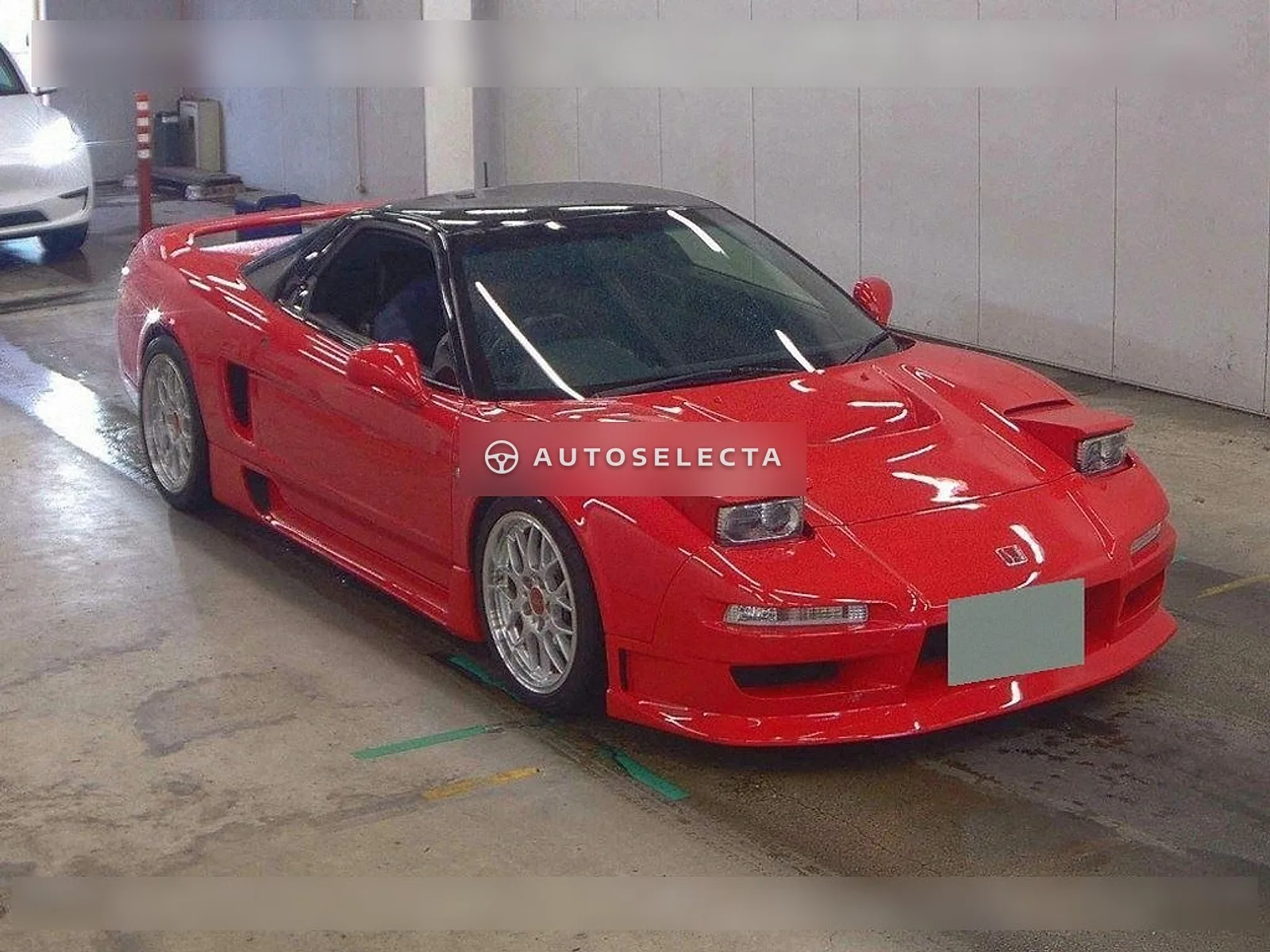
The Honda NSX was the first supercar you could use every day. Launched in 1990 with an aluminium body, a mid-mounted VTEC V6 and chassis engineering that European rivals struggled to match, it also had good visibility, a sensible driving position and light controls. Japan is its home market, and the auctions are one of the best places to look for an original one. This guide covers the generations, the Type R and what to check.
At a glance
- NA1 (1990 on): 3.0 litre C30A VTEC V6, 280 PS in Japanese manual form, five-speed gearbox, pop-up headlights.
- NA2 (1997 on): 3.2 litre C32B V6 with a six-speed manual. A 3.0 litre automatic continued alongside it.
- Genuine Type R and NSX-R cars are rare and priced accordingly. Verify chassis identity and provenance.
- Aluminium bodywork needs specialist repair, so previous accident work matters a great deal.
- Documented maintenance matters more than a low mileage figure.
Why the NSX rewrote the rules
Before the NSX, owning a supercar usually meant compromises: poor visibility, awkward driving positions, heavy controls and expensive maintenance. Honda built a production aluminium monocoque, which saved weight while giving the strength a mid-engined sports car needs. Formula One legend Ayrton Senna gave feedback during development, which helped build a reputation that is still powerful today.
The low driving position, balanced chassis and excellent visibility make it unusually approachable. The real achievement is how it drives. Steering is precise, the engine encourages hard use, and it is still comfortable on a long journey. More than thirty years on, it is one of Japan's most important collector cars.
NA1: the original 3.0 litre
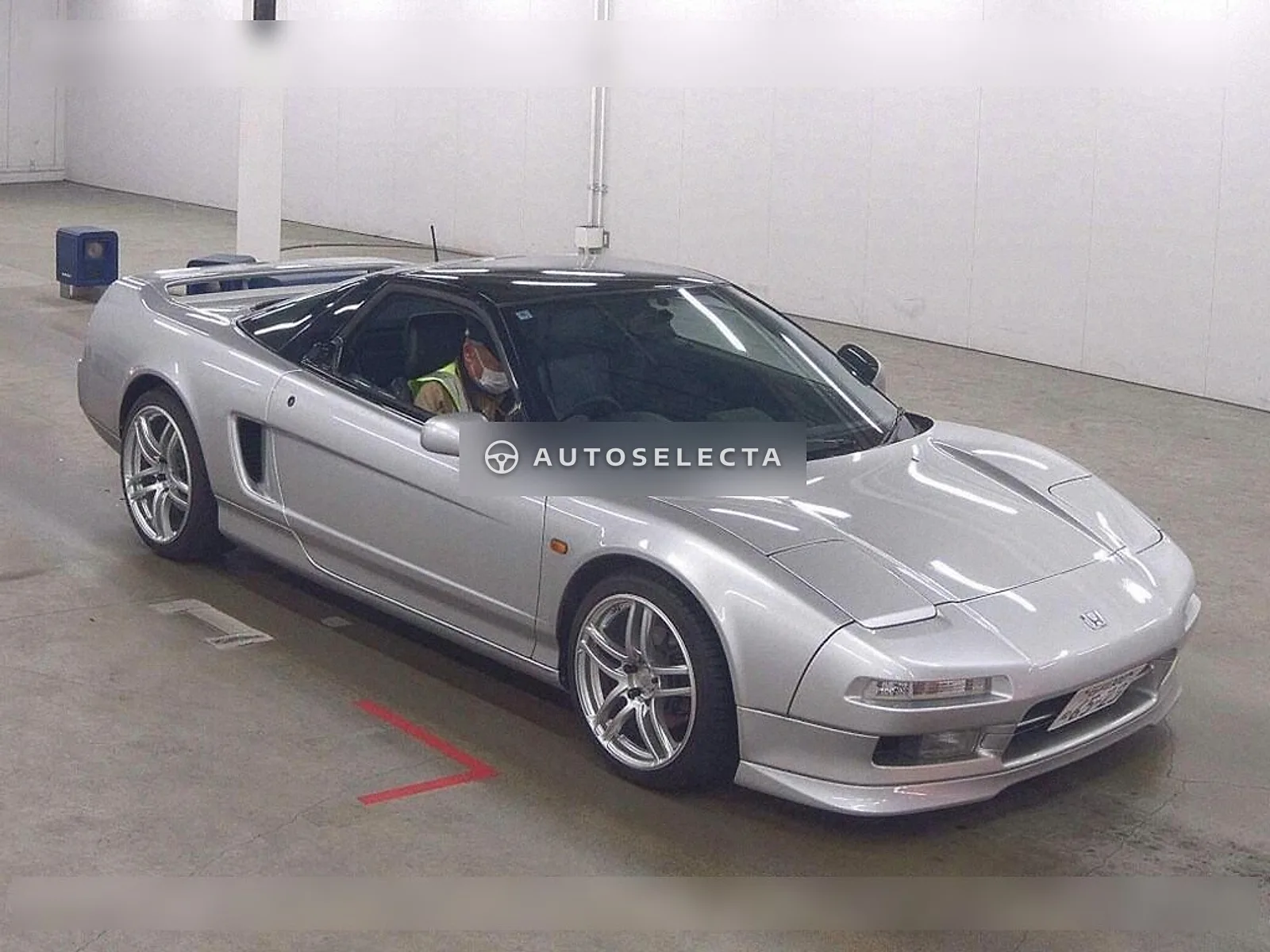
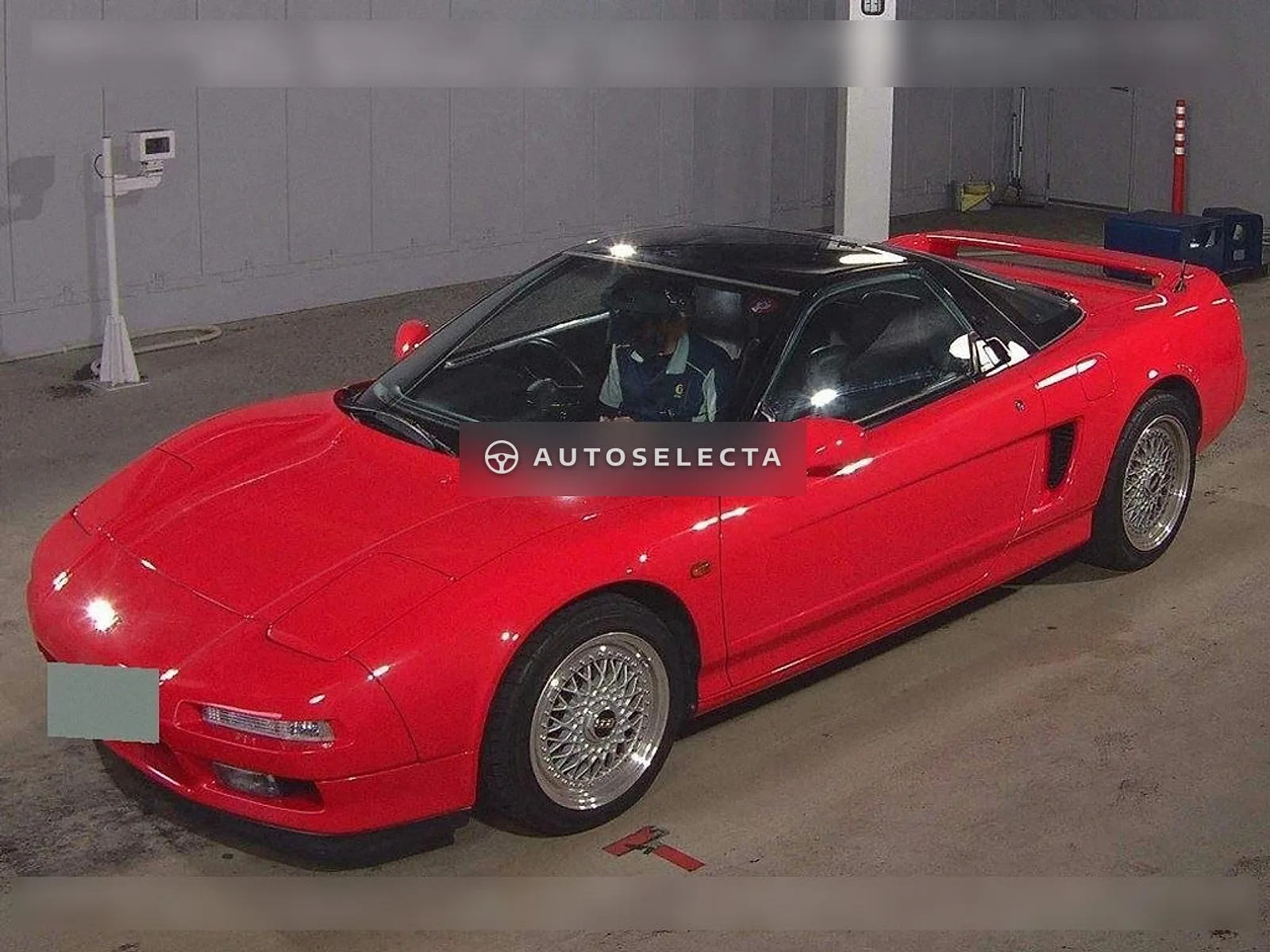
The original NA1 has Honda's 3.0 litre C30A VTEC V6. Japanese-specification manuals made 280 PS and used a five-speed gearbox. Automatics are more relaxed, but manuals generally attract stronger enthusiast demand. Early cars are recognisable by their pop-up headlights, low bonnet and elegant proportions.
For collectors, an original manual NA1 with documented maintenance and unmodified bodywork is a very desirable thing. It is the NSX in its purest form.
NA2: more powertrain development
In 1997 Honda introduced the 3.2 litre C32B V6 with a six-speed manual. These cars carry the NA2 designation and have more torque and further development. The 3.0 litre automatic continued alongside, so do not assume every later NSX is an NA2. The six-speed manual is especially desirable.
In late 2001 the NSX was facelifted and the pop-up headlights gave way to fixed units. Some enthusiasts consider the pop-ups essential, others prefer the later specification. Both have genuine collector appeal.
Type R, Type S and NSX-R
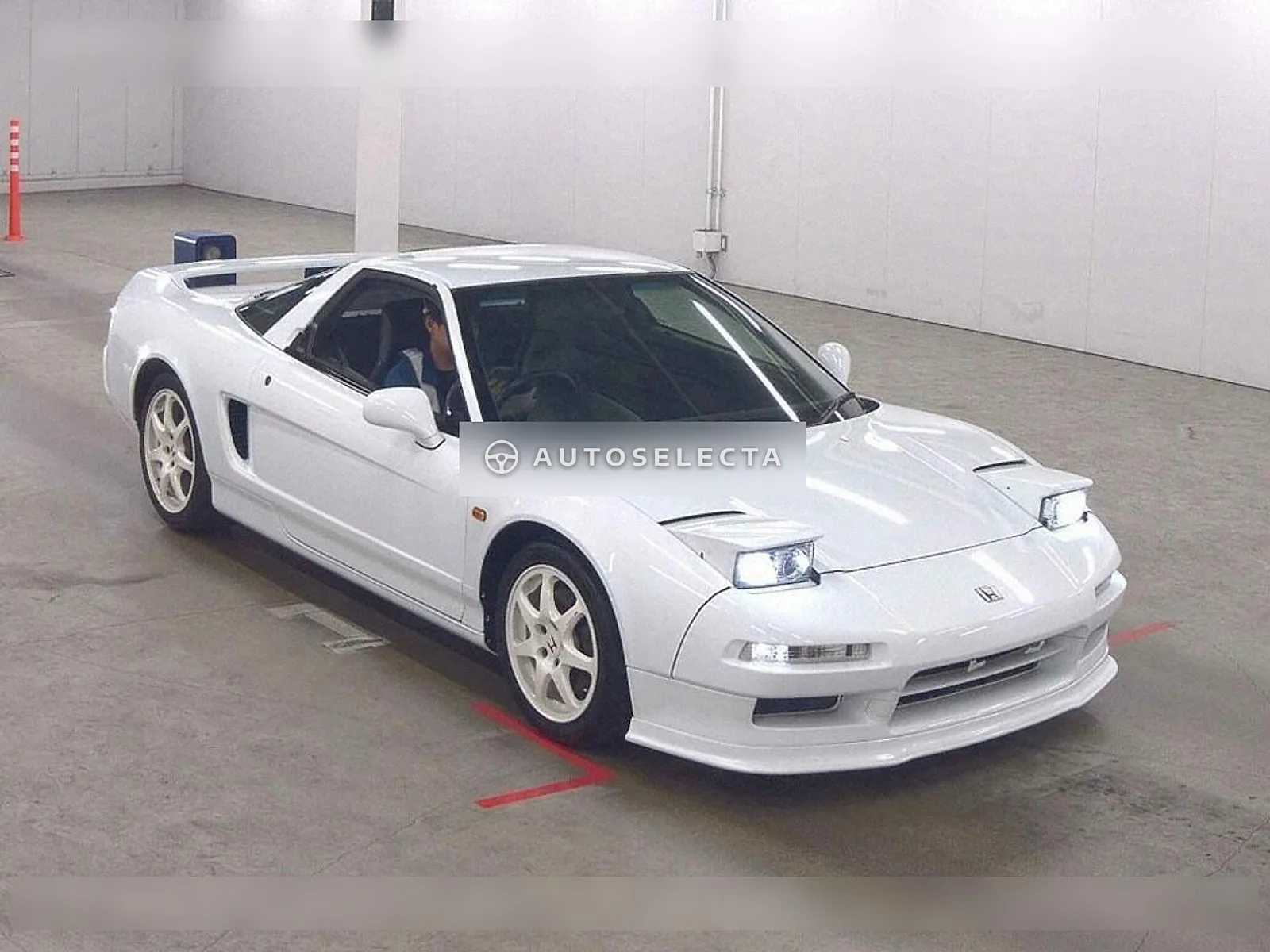
The NSX Type R, introduced in 1992, is one of Honda's most extraordinary engineering achievements. It had a substantial weight reduction, Recaro seats, revised suspension and many changes aimed at circuit performance. The 3.2 litre Type S and Type S Zero later followed the same philosophy, and the final NSX-R, introduced in 2002, became an especially desirable collector model.
Genuine Type R and NSX-R cars are rare, and their values reflect it. Establish chassis identity, factory equipment and provenance carefully before paying a premium. An ordinary NSX modified to look like a Type R is not a factory car.
What to check before you buy
Every NSX is now an ageing specialist car, even though the engineering has a good reputation. Look at:
- Maintenance history. A comprehensive record is essential: timing belt, cooling system, clutch, suspension and previous mechanical work.
- Gearbox. Early manual cars can have specific transmission concerns, so check the gearbox identification and how it operates.
- Body. The aluminium structure needs specialist knowledge to repair after an accident, so previous repairs and structural integrity are key.
- Mileage. For unusually low readings, supporting documents help. A well-maintained NSX with higher mileage can beat a neglected one with less.
Why buy an NSX from Japan
Japan is the NSX's home market, and it gives access to specifications that overseas buyers may struggle to find locally: original NA1 manuals, later NA2 cars, Type S editions and occasionally a rare Type R. Factory colours, original interiors and documented maintenance can make individual cars especially appealing.
But the NSX is now an established collectible, and exceptional cars command strong prices. The opportunity is not necessarily a cheap supercar. It is finding the right one. For the wider picture, see our Honda NSX buying guide.
Have it inspected in Japan
For a valuable collector car, an extra look before you bid is worth it. On Autoselecta you can read the auction sheet translated into English and add an Inspector Report Package where the auction allows it. An inspector in Japan looks at the car and takes up to 50 extra photos, and can check specific concerns such as body panels, underside condition, accident repairs and factory equipment.
It does not replace a full specialist mechanical inspection, but it gives you useful information before bidding. The package costs £50 and is credited in full towards your payment if you buy the car through us.
Which NSX we would buy
The NSX-R is extraordinary, but for a car to enjoy regularly an original manual NA1 is hard to resist. The pop-up headlights, naturally aspirated VTEC engine and balanced chassis define what is special about the original. A later six-speed NA2 is another strong option for drivers who want extra refinement.
Whatever you choose, originality, history and mechanical condition come first. The NSX was made to be driven, and a properly maintained one is still among the most rewarding supercars of its era.
Find your Honda NSX through Autoselecta
You get translated auction sheets, photos, optional inspections and a clear cost estimate.
- Search Honda NSX auctions
- Calculate your Honda NSX import costs
- Looking for a particular generation, colour or specification? Message us on WhatsApp.