
Guide
Japanese Auction Reserve Price Explained: Why Some Cars Don't Sell
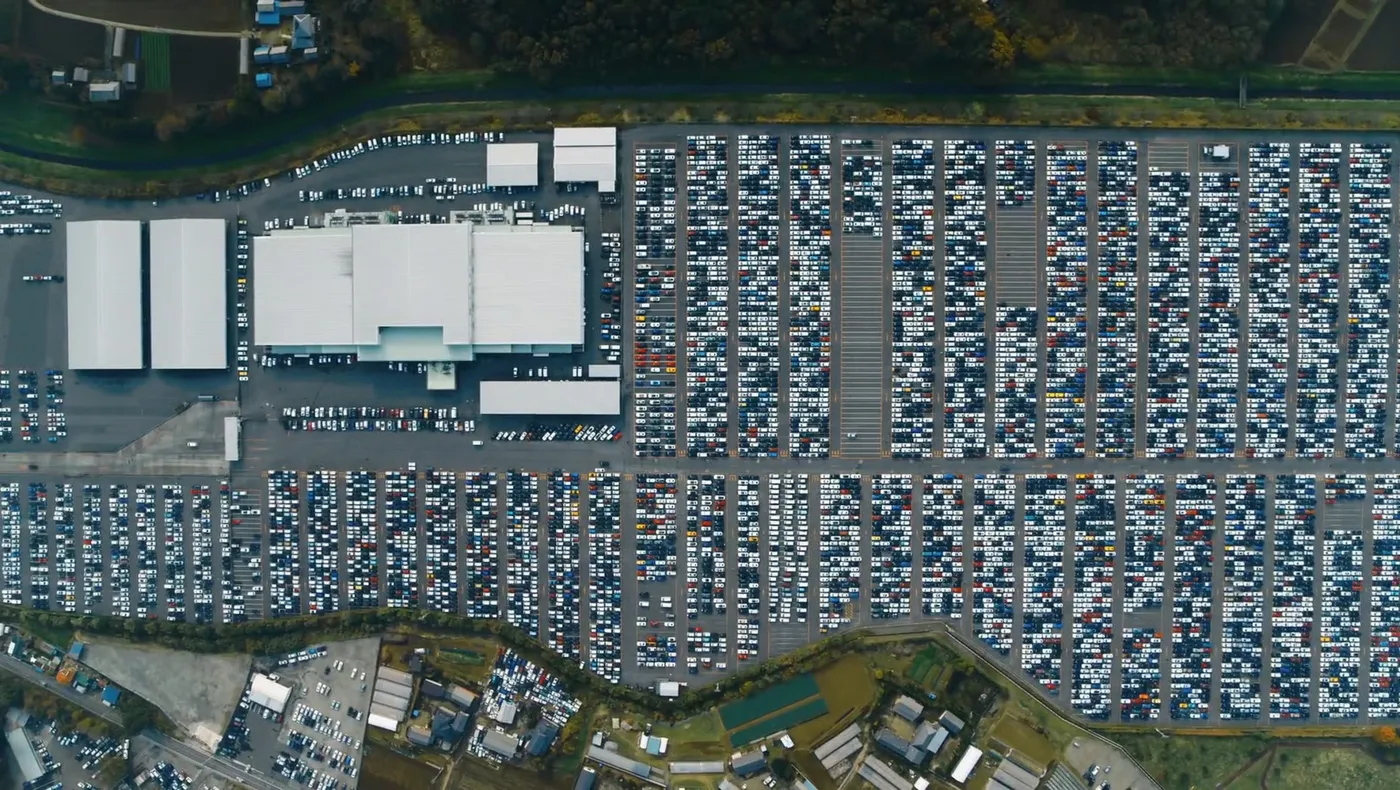
If you're new to buying cars from Japan, one of the first things that can seem confusing is when the highest bid doesn't actually win the vehicle.
This usually comes down to one important factor: the Japanese auction reserve price.
Many first-time buyers assume that once bidding ends, the highest bidder automatically secures the car. In reality, that's not always the case. Understanding how reserve prices work is an essential part of buying through Japanese car auctions and can help buyers make better-informed decisions throughout the auction process.
What Is a Japanese Auction Reserve Price?
A Japanese auction reserve price is the minimum amount that the seller is willing to accept for their vehicle.
If bidding does not reach this figure during the auction, the vehicle will remain unsold, even if there have been multiple active bidders.
This doesn't mean there was anything wrong with the car or that buyers weren't interested. It simply means the seller believed the vehicle was worth more than the highest bid received.
If this happens, the seller may choose to enter the vehicle into a future auction or withdraw it from sale altogether, as each auction entry incurs a fee.
Who Sets the Reserve Price?
The reserve price is set by the seller before the vehicle enters the auction.
Sellers can include dealerships, manufacturers, leasing companies, fleet operators, and private individuals. Each seller decides the minimum price they are prepared to accept based on the vehicle's condition, market demand, rarity, mileage, and previous auction results.
Limited editions, collector vehicles, low-mileage examples, and desirable classics often have higher reserve prices because sellers anticipate strong competition from buyers.
Why Isn't the Reserve Price Visible?
Japanese vehicle auctions move incredibly quickly, with many cars selling in less than a minute. Because of this fast-paced environment, the reserve price is not displayed to bidders. Instead, buyers make their decisions using the auction grade, inspection report, photographs, historical sale prices, and their own assessment of the vehicle's value.
This system keeps the auction competitive while allowing the market to determine the true value of each vehicle.

What Happens If the Reserve Price Isn't Met?
If bidding stops below the reserve price, the vehicle will remain unsold. However, this isn't always the end of the process. Many Japanese auction houses allow negotiations immediately after the auction finishes. In some cases, a figure close to the reserve price is presented, allowing buyers to increase their offer slightly in an attempt to secure the vehicle.
If an agreement is reached, the sale proceeds. If not, the vehicle will usually return to auction in the following weeks or be withdrawn by the seller. This process helps establish fair market values as thousands of vehicles pass through Japanese auctions every day.
How Reserve Prices Affect Autoselecta Buyers
Understanding reserve prices is particularly important when buying through Autoselecta because the bidding process happens in two stages.
The first stage takes place on the Autoselecta platform, where buyers submit their maximum bid before the live Japanese auction begins. The highest bid placed on Autoselecta is then submitted to our licensed auction agent in Japan.
The second stage begins when the vehicle enters the live auction alongside bids from dealers and agents around the world. Even if your bid is the highest one submitted through Autoselecta, the vehicle may still remain unsold if the seller's reserve price is not reached.
What Happens to Your Deposit?
If the reserve price is not met and the vehicle is not sold, nothing is taken from your deposit.
A deposit held on your card is released, and one paid by bank transfer (for bids over £30,000) is sent straight back to the account it came from. This ensures every bid placed through Autoselecta represents a genuine attempt to purchase the vehicle while giving buyers complete flexibility if an auction doesn't result in a successful purchase.
Why Reserve Prices Matter
Reserve prices aren't an obstacle: they're simply part of how Japanese car auctions operate. They help sellers protect the value of their vehicles while allowing the market to establish realistic pricing through open competition.
Understanding how reserve prices work turns auction buying from guesswork into strategy and gives buyers greater confidence when bidding on vehicles from Japan.
Browse Live Japanese Auctions
Every week, Autoselecta gives buyers direct access to thousands of vehicles across Japan's largest auction houses.
Browse live auction listings, view translated auction sheets, understand inspection reports, and bid with complete pricing transparency.
Whether you're searching for a Skyline GT-R, Supra, Porsche GT car, Land Cruiser, Jimny, Ferrari, or your next collector vehicle, our team is here to help you source the right example.
Browse live Japanese auctions today or contact the Autoselecta team to begin your search.

Speak with the Autoselecta team directly and discover how simple importing from Japan can really be.
WhatsApp: +44 7908 911 247 wa.me/447908911247
Email: hello@autoselecta.com
Follow Autoselecta for daily Japanese auction vehicles, behind the scenes importing content, sold prices and rare stock updates from Japan.