Guide
Mitsubishi Lancer Evolution - A Complete Guide to Japan’s Rally Icon
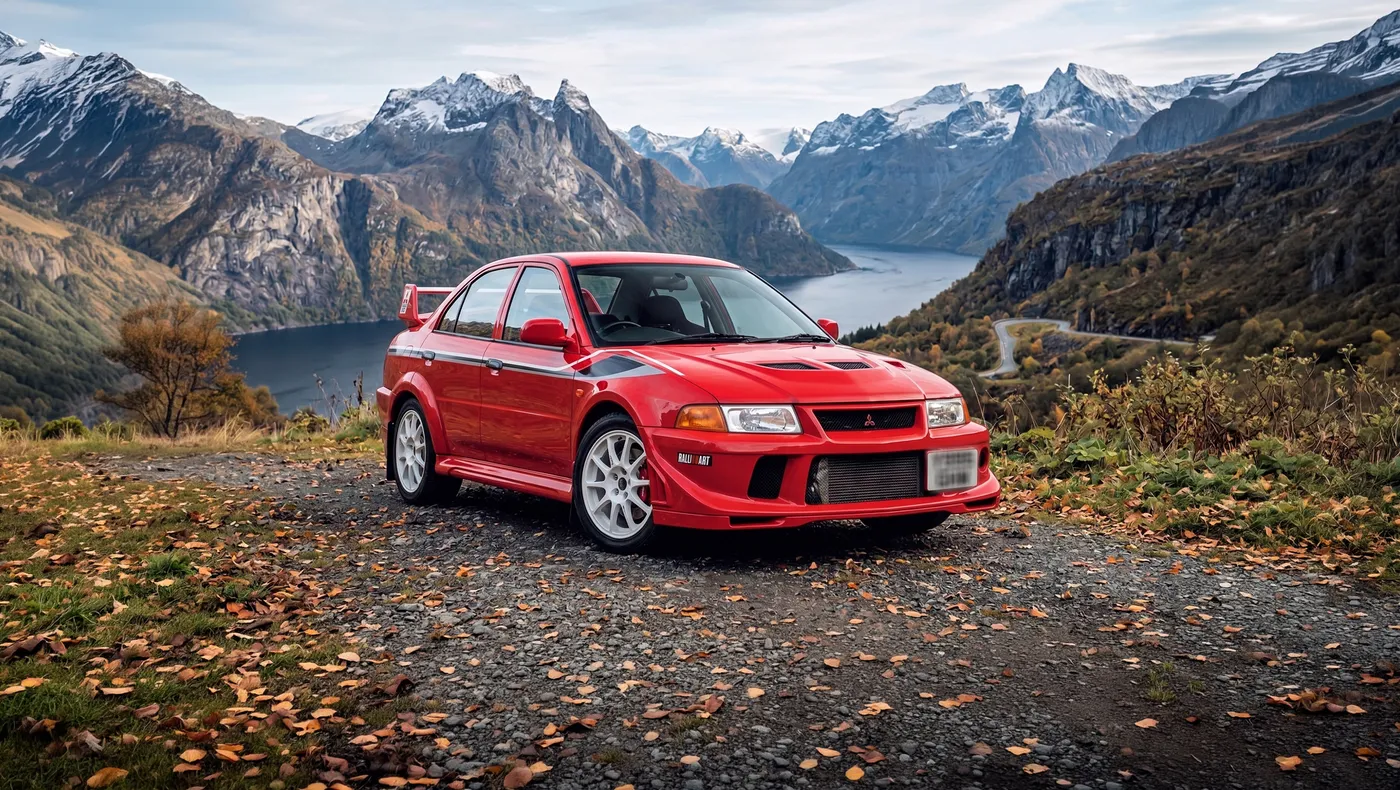
Mitsubishi Lancer Evolution Complete Guide explores the full history of one of Japan's most iconic performance car bloodlines, from the original Evo I through to the final Evo X.
Few performance cars carry the same amount of respect as the Mitsubishi Lancer Evolution. It was created with one purpose in mind, never designed to blend in, be luxurious or understated. It solely existed to win rallies and dominate any road that looked like a rally stage.
From the very first moment the first Evo appeared in 1992, Mitsubishi managed to create something that felt far superior than the typical performance saloon car. The formula was simple but incredibly effective. A tuned turbocharged engine, add permanent all wheel drive, make it lightweight and tune the chassis for maximum grip and response. The end result was a car that behaved more like a group B rally car than a road car.
Across ten generations now, the Evo did it perfectly with each version reining the technology, sharpening the chassis and ever increasing performance and for enthusiasts today, the Evo story isn't just about a certain model but the entire bloodline that was created performance cars that defined the golden era of Japanese rally engineering.
The Legend Starts Here
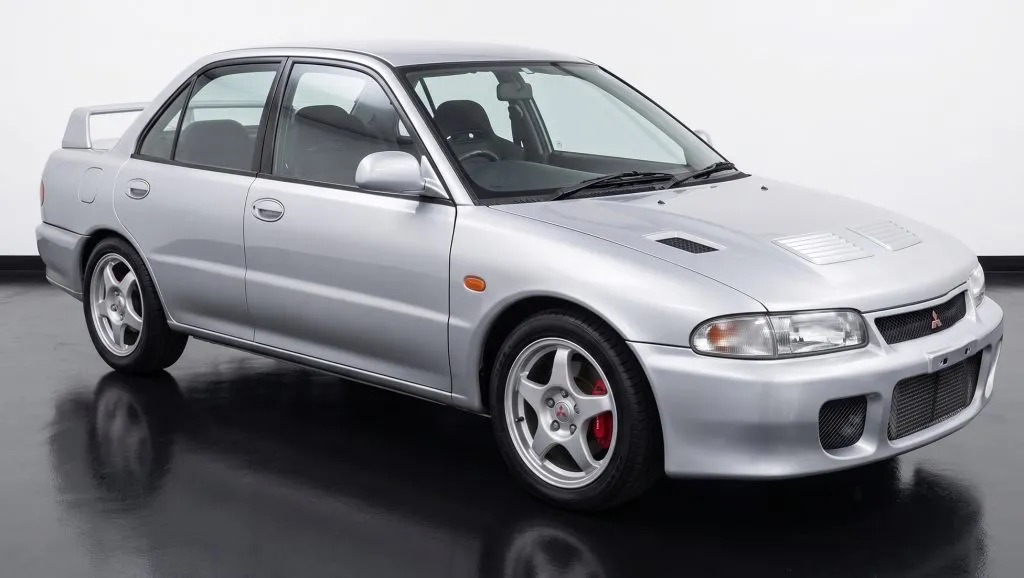
Let the story begin with the Evo I. Introduced way back in 1992, the Evo I was developed specifically for Mitsubishi’s World Rally Championship programme and used a 2.0 litre turbocharged 4G63 engine producing 247BHP and was based on the Lancer GSR platform. The car was light, aggressive and immediately effective, with only 5,000 examples built this makes the ultra desirable and increasingly difficult to find one without an R grade today.
The Evo II followed quickly in 1994 with improvements to the suspension, aerodynamics and cooling system. The power was increased ever so slightly and the handling became sharper, while it looked similar to the Evo I, the changes made the car feel more engaging over a fast road surface or a track stage stage that was made up while driving down twisty roads.
The Evo III arrived in 1995 and it is still widely considered the point where the EVo formula all came together, with its revised aero styling, an increased turbo response, the car delivered 270 BHP and quickly became one of the most exciting rally inspired road cars of all time.
The Generation That Defined It
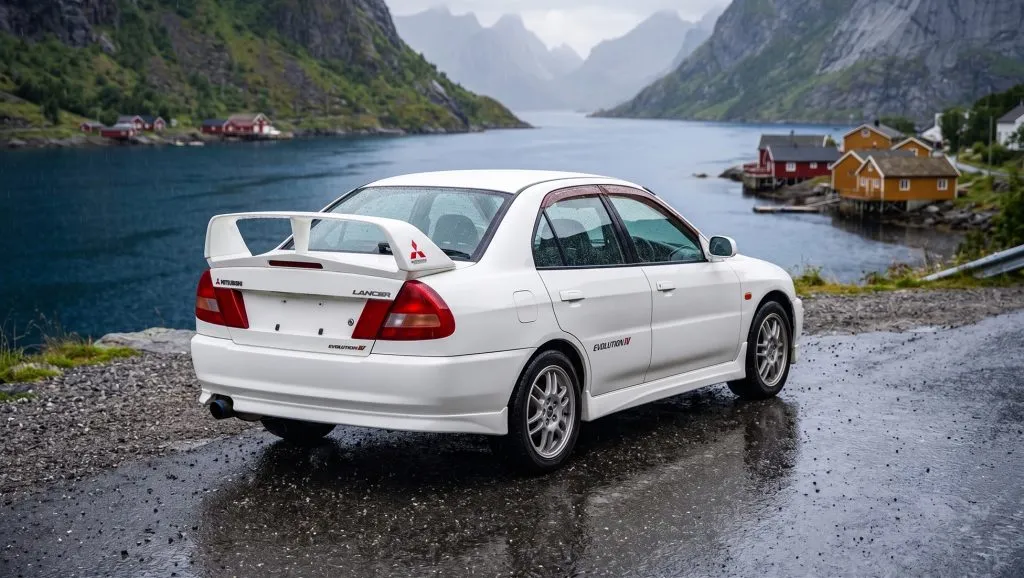
Now we find ourselves in 1996 and Mitsubishi launched the Evo IV and with it came some major changes. The engine was rotated within the engine bay to improve weight distribution and a new Active Yaw Control system was introduced, this tech made a massive improvement in cornering behaviour and kept the car balanced and marked the beginning of the advanced electronic systems that have defined all of the later Evolutions to date.
The Evo V arrived in 1998 and is probably one of the most recognisable versions of the car, now sporting a wider track, flared arches, larger brakes and aggressive styling which gave the Evo V a menacing appearance. This is the generation that saw the arrival of the Tommi Mäkinen Edition.
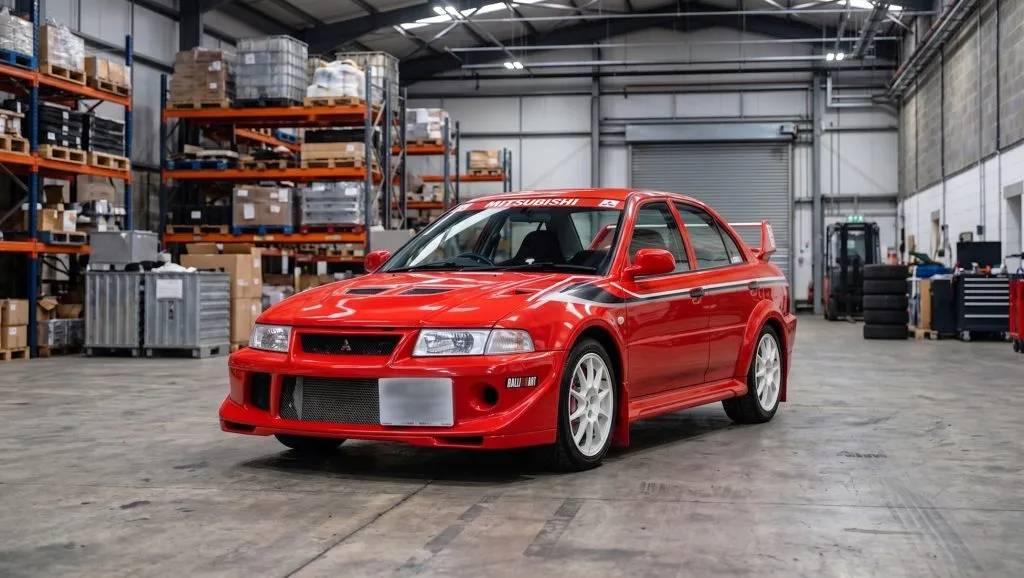
Built to celebrate Mitsubishi’s WRC success with Tommi Mäkinen, this very special edition featured another fully revised suspension set up, quicker steering response and a few little differences that included unique wheels and a rally inspired interior. Today the Tommi Mäkinen Edition is one of the most sought after Evo’s and luckily, many appear regularly in Japanese Auctions.
Chasing Perfection
The Evo VI followed shortly afterwards, now in 1999, it was even more refined and Mitsubishi managed to push the package even further with a large upgrade to the cooling system, aero tweaks and stronger internal components made the Evo VI one of the most balanced Evolutions ever produced. The Tommi Mäkinen Edition was also continued within this generation and is one of the most celebrated rally inspired road cars of its time.
By the time the Evo VII arrived in 2001, the platform had grown larger and packed with added sophistication, it was even wider thanks to a chassis based from the Lancer Cedia platform and there was the introduction of even more advanced active differentials and stability systems. The Evo VII still delivered the powerful turbocharged punch and excitement of the earlier cars but with the added protection of stability and composure when attacking the road at speed.
The Evo VIII followed in 2003 and introduced more improvements to the engine response and the handling. Along came some extra spicy versions such as the Evo VIII MR with lightweight components, a sharper suspension set up which made them very popular with brand loyal enthusiasts. The Evo IX arrived in 2005 and introduced Mitsubishi’s MIVEC variable valve timing system to help the 4G63 engine and the power delivery improved significantly and many die hard enthusiasts consider this Evo IX to be the ultimate development of the original Evo formula.
The Last Evo and What It All Meant
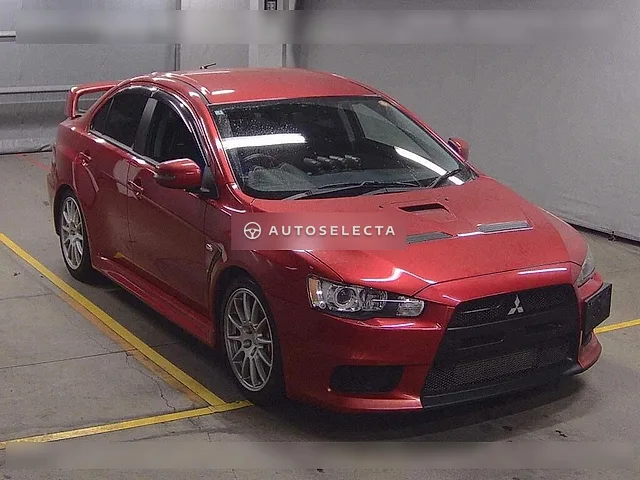
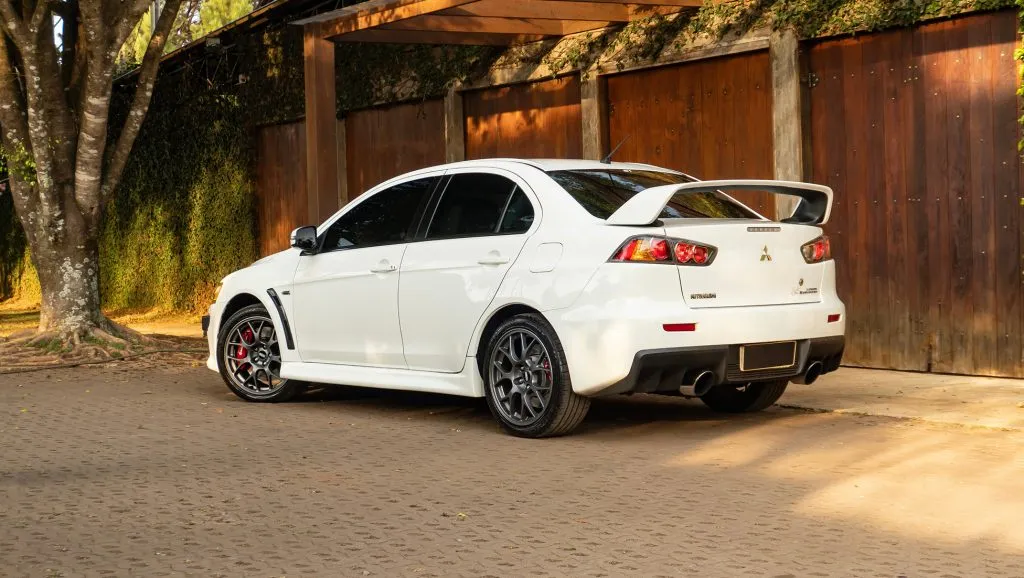
Finally in 2007, the Evo X arrived and not to disappoint, it came with an entirely new platform and engine. The long serving 4G63 engine was replaced with the 4B11 turbocharged unit and now came with a modern dual clutch transmission option. The Evo X is the most refined and technologically advanced version of the Evolutions. There's an Evo for every purist out there as some still prefer the raw character of the earlier versions, some can buy the latest version and have equally as much fun with ownership and thats what makes the Evolution story so fascinating as there are so many special models to choose from.
We all know that the Tommi Mäkinen Edition remains the most famous, but other versions such as the MR and RS lightweight models are equally as desirable. Each one represents a time and place in history and has a slightly different interpretation of the Evo formula.
Find Your Evo
Here at Autoselecta, we see many Evo’s appearing in auctions each and every week. These cars all continue to hold a special place in the performance car history books because they all represent a time when rally inspired engineering was directly shaped towards fast road cars. No filters, hardly any luxury refinements, just a highly tuned turbocharged engine, four wheel drive and a chassis that seemed capable of attacking any road in front of you.
If you find yourself searching for a particular Evo generation including the special editions, you can simply register your interest through Autoselecta and we’ll alert you when the right car appears. These cars are all rising in value and are becoming a solid investment and the best cars never stay available for very long so be sure to get one while you can.
The Evo was never about comfort or status, it was built for speed, control and the thrill of point to point driving and to go as fast as possible across any road that looked like a rally stage.
Understanding Auction Grades Is Critical
The best value cars are not always the highest grade vehicles. Some lower grade examples can still represent fantastic opportunities depending on:
• Mileage
• Modification history
• Repair history
• Rust levels
• Originality
• Mechanical condition
Autoselecta fully translates every auction sheet and explains all markings clearly before bidding.
Start Importing Your Next Vehicle
Browse live Japanese auctions here:

Speak with the Autoselecta team directly and discover how simple importing from Japan can really be.
WhatsApp: +44 7908 911 247 wa.me/447908911247
Email: hello@autoselecta.com
Follow Autoselecta for daily Japanese auction vehicles, behind the scenes importing content, sold prices and rare stock updates from Japan.