Gids
Importing a Car From Japan to Australia: Rules and Costs
Australia is one of the keenest markets for Japanese performance cars, and importing direct from Japan makes obvious sense: both countries drive on the left, shipping routes are well established and many Japanese cars are right-hand drive. But Australia's import rules are detailed, and not every car at a Japanese auction can be imported and registered. This guide covers the main pathways, the taxes and the checks to make before you bid.
At a glance
- A Japanese auction listing does not prove a car is eligible for Australia. Confirm the approval pathway for the exact car before you bid.
- Cars at least 25 years old can qualify under the older vehicle provisions, if they meet the requirements. Newer cars may need the Specialist and Enthusiast Vehicles Scheme (SEVS).
- Budget for customs duty (often nil for Japanese-origin cars), 10% GST, possible Luxury Car Tax, biosecurity cleaning and compliance work.
- Approval does not guarantee registration. Each state and territory has its own rules.
- Autoselecta can source and inspect the car, but government approval has to come through the proper Australian process.
Which cars can you import?
Australia approves vehicles under the Road Vehicle Standards legislation. Before importing a car for road use, the importer must get the right approval from the Australian Government. Which pathway applies depends on the car's age, specification and circumstances. The main ones are the older vehicle concession, SEVS, certain personal effects arrangements and a few other limited categories.
The correct pathway must be confirmed for the exact vehicle before it is shipped. At Autoselecta we think eligibility should be settled before you place a bid.
The 25-year rule
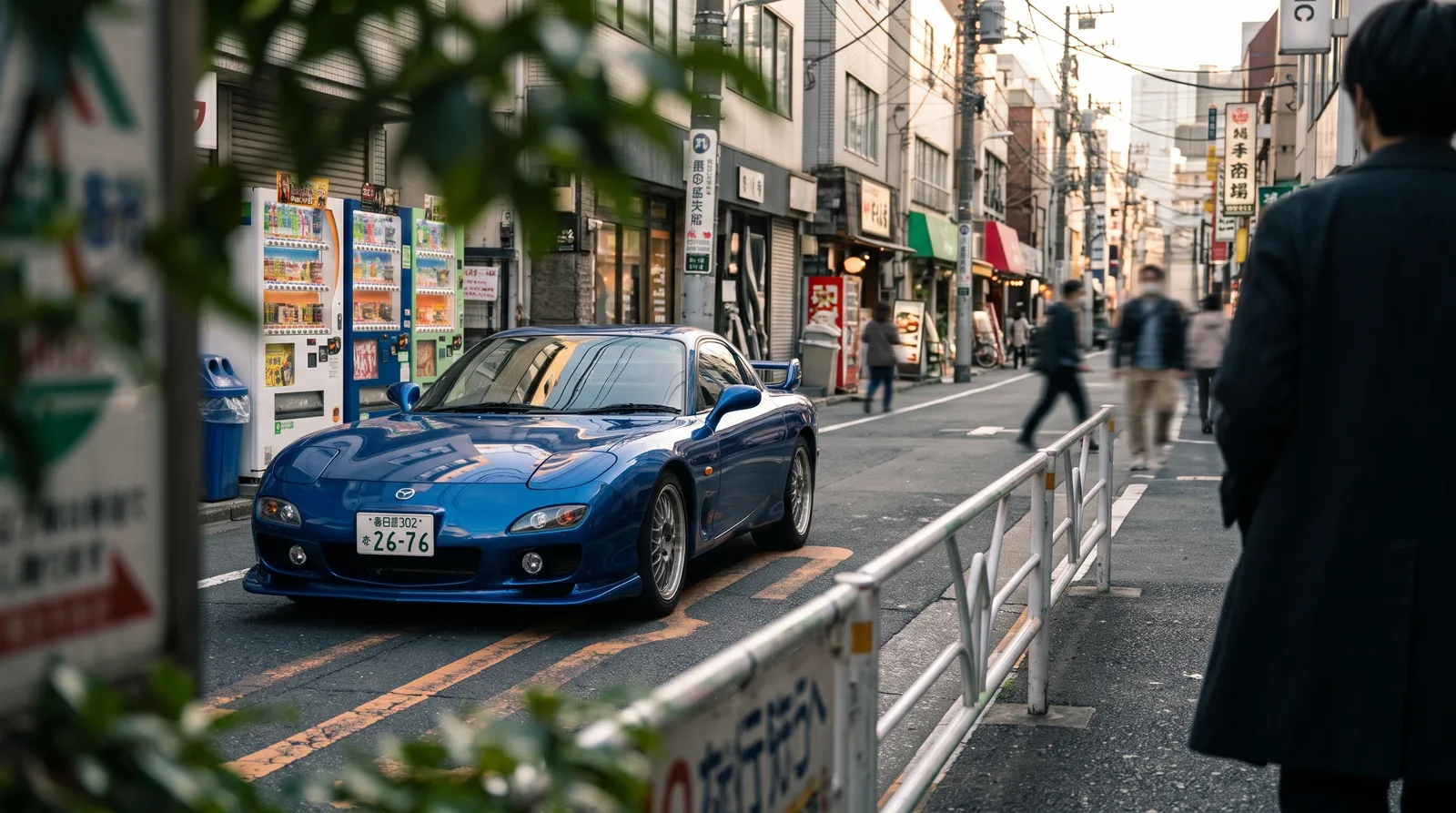
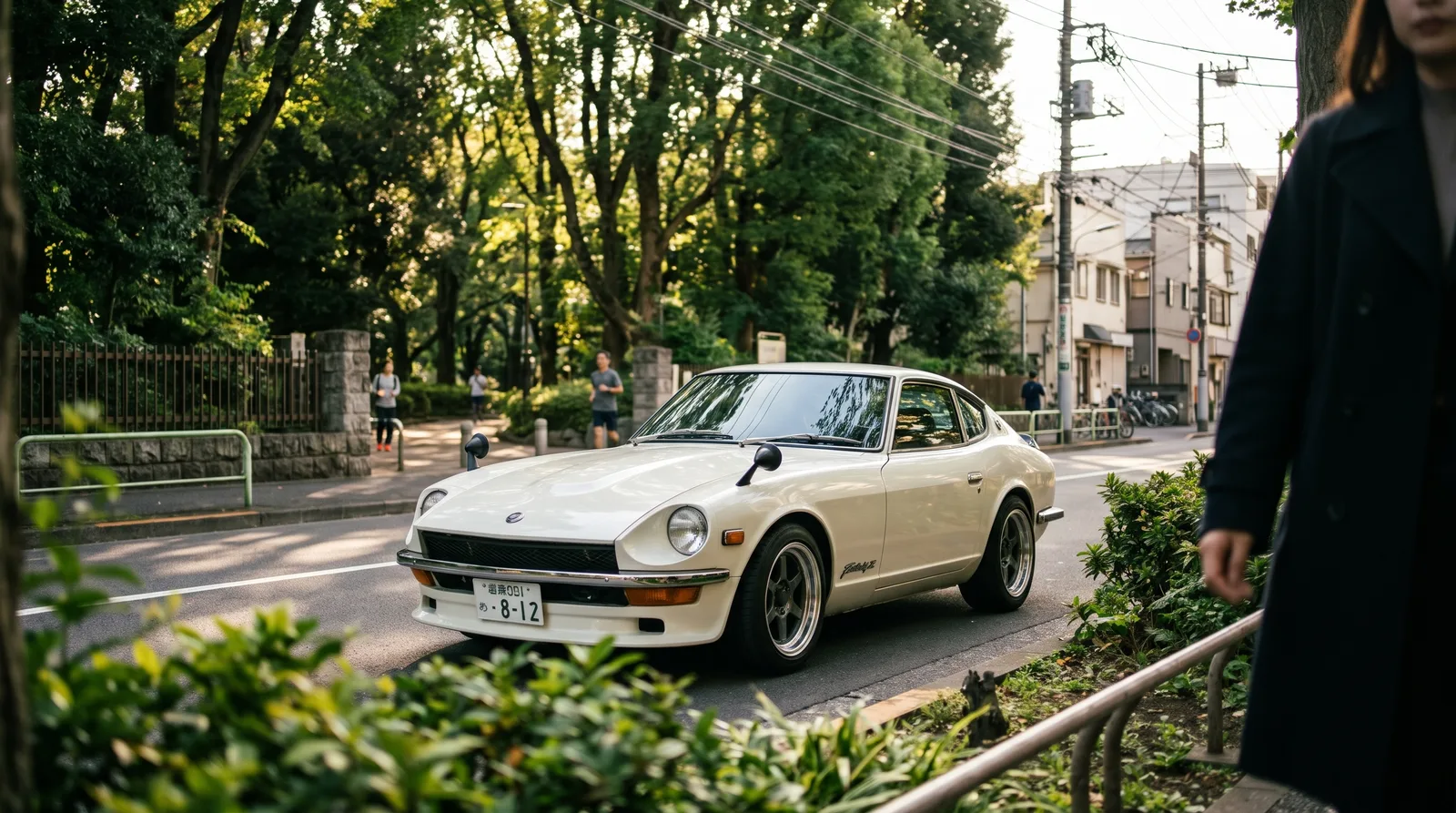
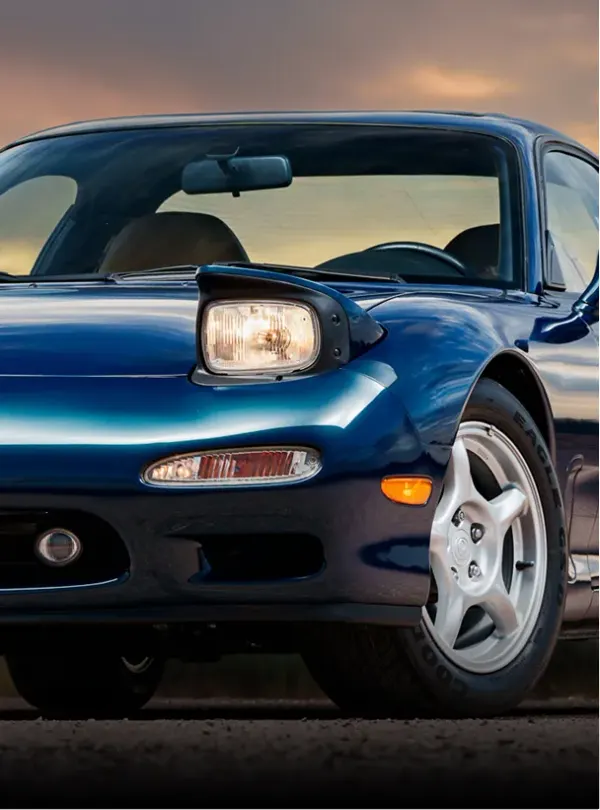
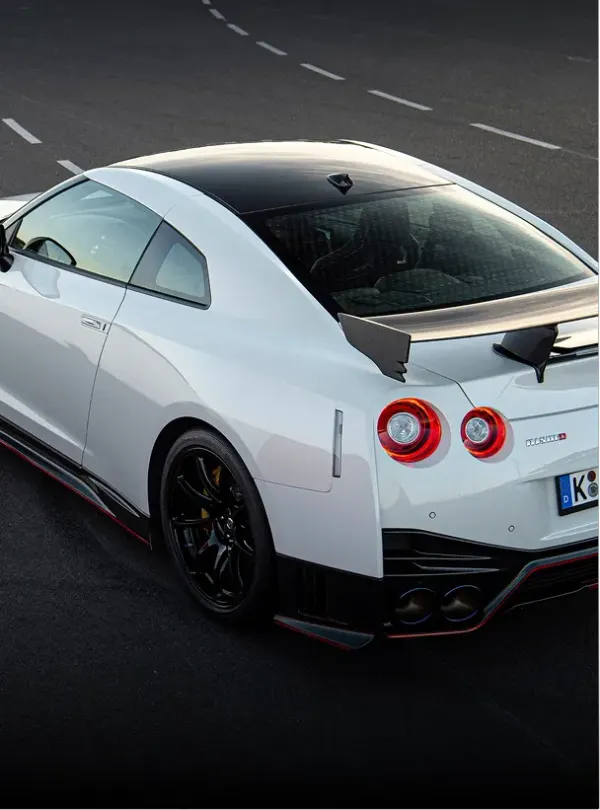
Australia has a concessional pathway for qualifying older vehicles. In general, a car at least 25 years old can be eligible under the older vehicle provisions, provided it meets the applicable requirements. That makes Japan very interesting for collectors: Nissan Skyline GT-R R32, R33 and eligible R34 models, Toyota Supra A80s, Honda Integra Type Rs, Mitsubishi Lancer Evolutions and earlier Mazda RX-7s are all worth a look.
Two cautions. The exact manufacture date matters, particularly for cars built close to the threshold. And substantial modifications can affect whether a car qualifies as an older vehicle.
Newer performance cars and SEVS
Cars that do not qualify as older vehicles may be possible under the Specialist and Enthusiast Vehicles Scheme. Being on the SEVS Register is only part of it. You may also need an approved Model Report, a Registered Automotive Workshop and individual vehicle approvals and verification.
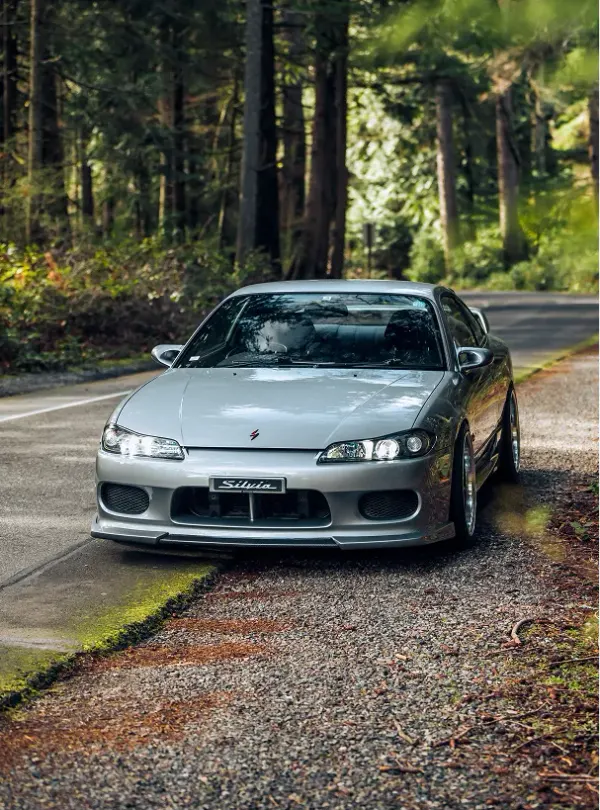
The Nissan Silvia S15, later performance models, unusual Japanese domestic market cars and specialist editions can be good candidates. Confirm the current eligibility of the exact model and variant, and do not assume a car qualifies because another one has been imported before.
Why buy direct from Japanese auctions
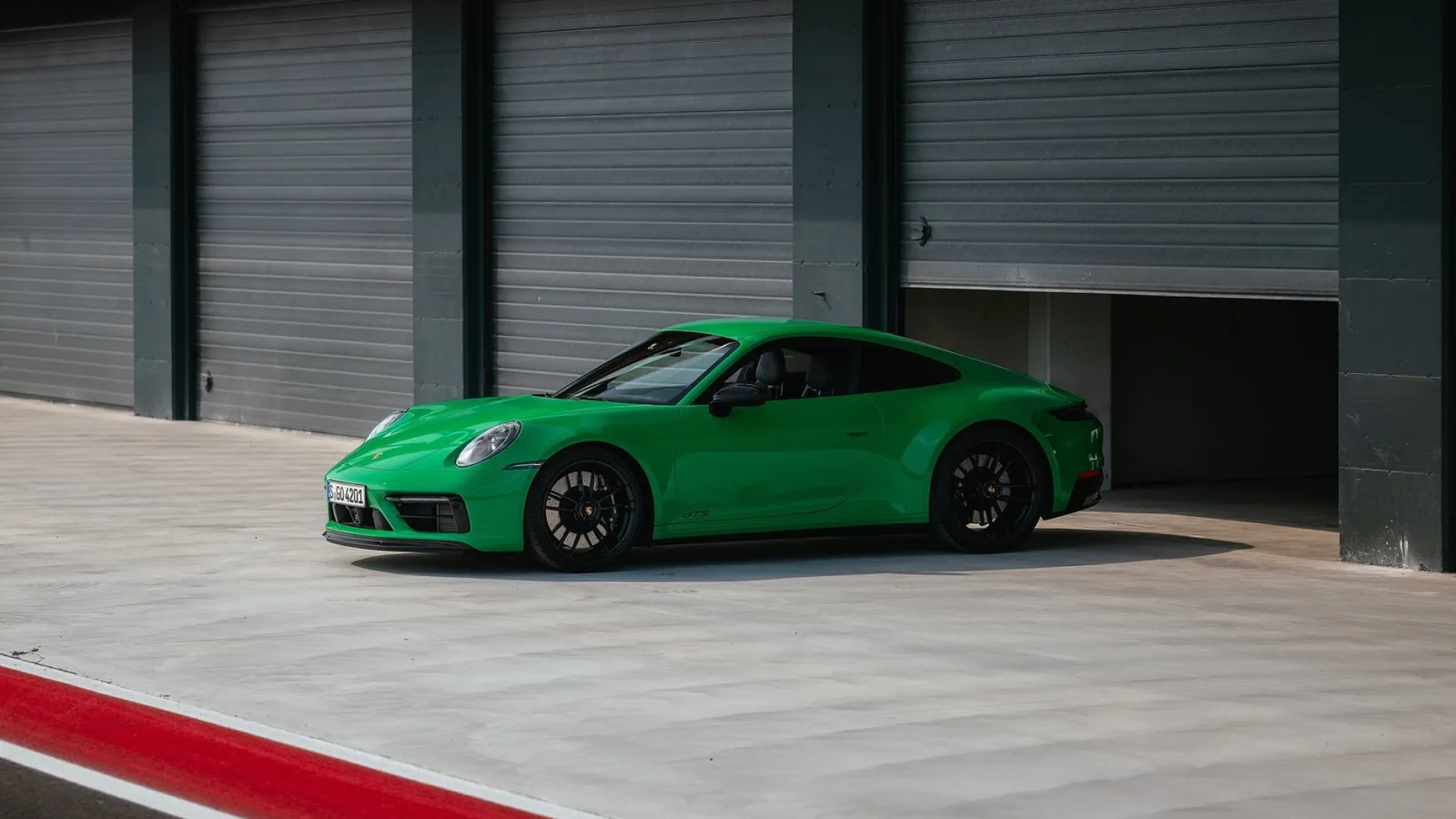
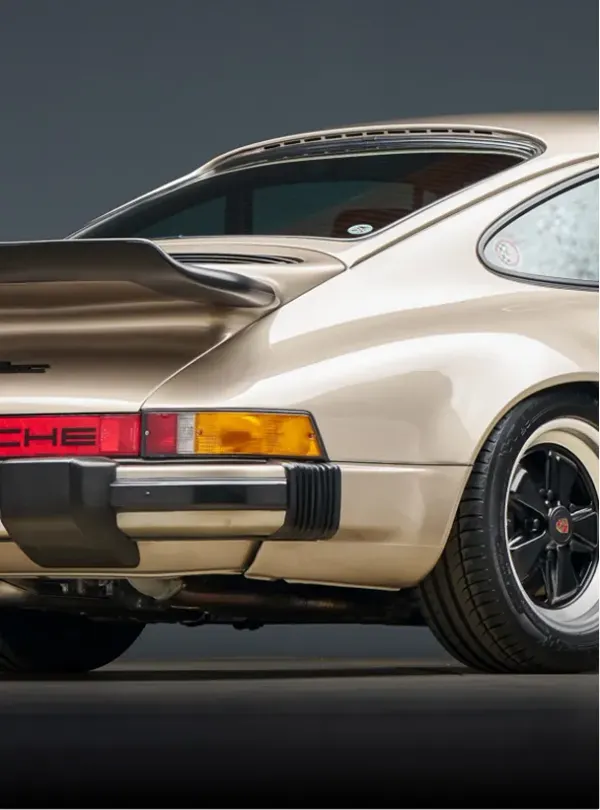
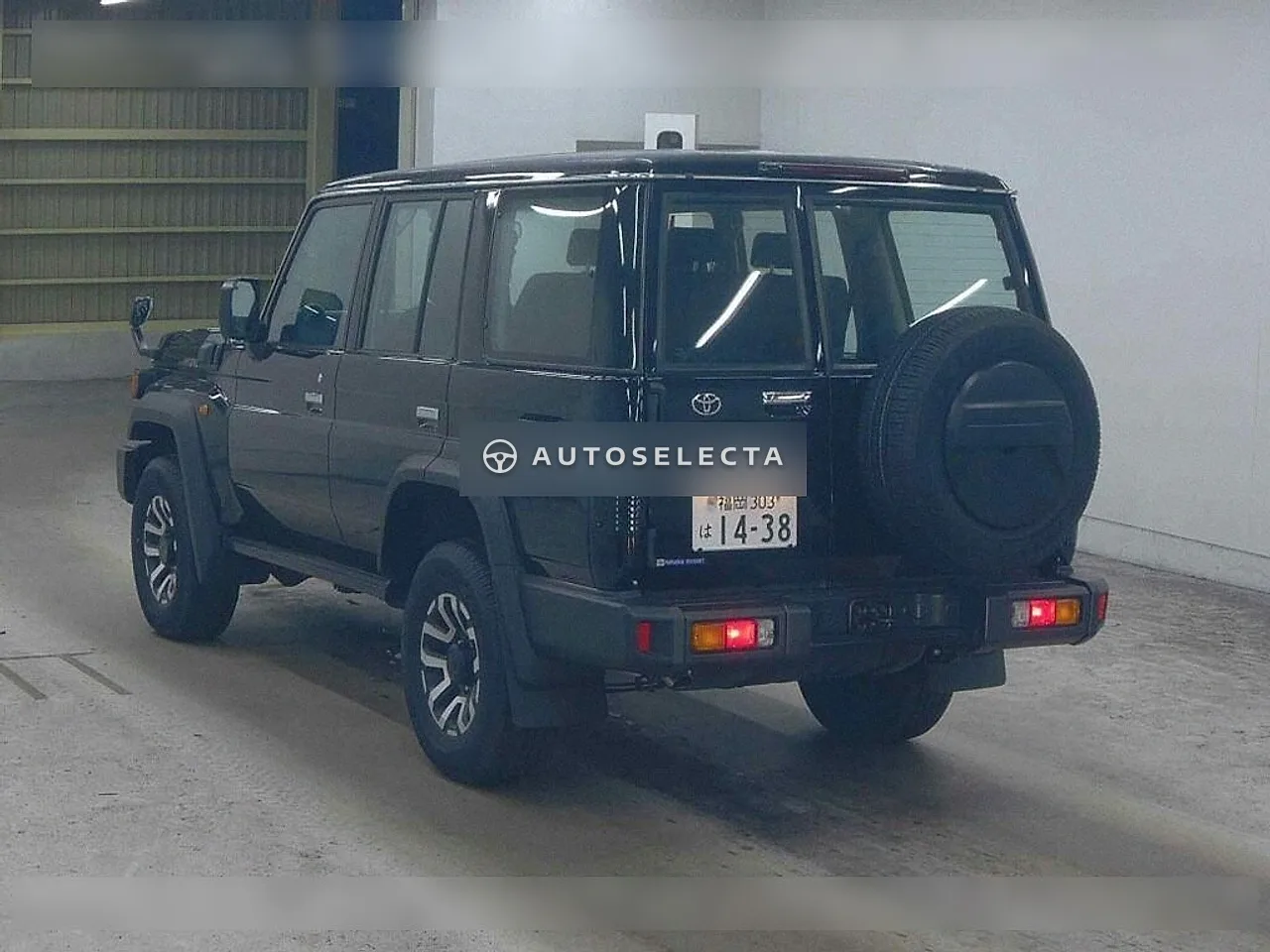
Japanese auctions offer a wide range: a low-mileage Honda S2000, an original Skyline, a well-specified Land Cruiser or a rare Porsche 911 that would be hard to find locally. Some cars are priced attractively against Australian retail listings, although shipping, tax, compliance and registration can change the comparison a lot. The biggest advantage is reaching cars before they pass through another dealer's stock.
On Autoselecta you can search the auction listings, read the sheets translated into English and look into a car before you bid.
Shipping to Australia
Shipping links between Japan and Australia are established, with vehicle routes to the major Australian ports. The best destination depends on where you live, shipping availability and the car's import arrangements. Container shipping suits valuable collector cars, and roll-on roll-off services may be an alternative.
Australia also has strict biosecurity rules. Used vehicles must arrive clean and free of soil, seeds, plant matter and animal material, and inspection, cleaning or treatment adds cost if a car falls short. Asbestos import controls matter too, especially for older cars with original brake, clutch or gasket parts. Check these before you arrange shipment.
Duty, GST and Luxury Car Tax
Australian import taxes depend on the individual car and its customs classification.
- Customs duty: the general rate for many passenger cars is 5%, but qualifying Japanese-origin cars may be duty free under trade agreements. A European-built Porsche or Mercedes bought in Japan does not automatically count as Japanese origin.
- GST: 10% on taxable vehicle imports, generally calculated on the customs value plus duty and international transport and insurance.
- Luxury Car Tax: higher-value cars may attract it. For 2026 to 2027, the general threshold is A$80,809 and the threshold for qualifying fuel-efficient vehicles is A$91,661. The tax applies to the value above the threshold, not as a flat percentage of the whole price.
For Porsche, Ferrari, Mercedes AMG and other luxury cars, Luxury Car Tax can change the total considerably.
Compliance and registration
Once the car arrives, it must meet the approval conditions and your state or territory's registration requirements. Depending on the pathway, that can mean modifications, compliance verification, vehicle identification, roadworthiness inspections and more. Cars imported under the specialist pathway may need to be processed by an approved workshop and verified before they go on the Register of Approved Vehicles. Older vehicles may follow a different process.
State and territory rules can also affect modifications and registration, so confirm early.
Get the car inspected before you bid
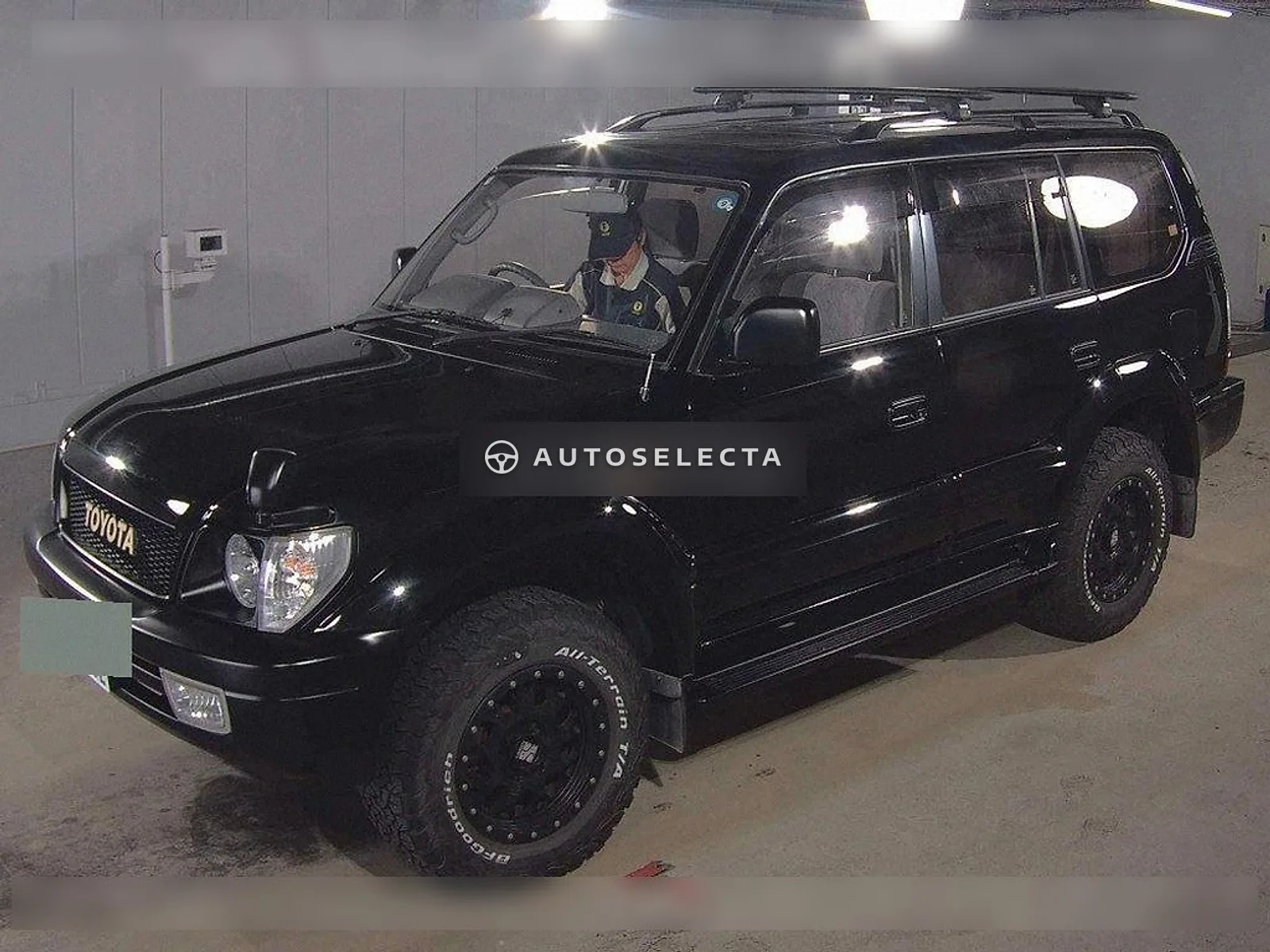
Buying a car on the other side of the world makes good condition information important. On Autoselecta you can read the translated auction sheet and photos before bidding, and add an Inspector Report Package where the auction allows it. An inspector in Japan looks at the car and takes up to 50 extra photos, focused on the areas you ask about. For collectible Japanese performance cars that might be chassis sections, corrosion, previous repairs, the engine bay and signs of modification.
The package costs £50 and is credited in full towards your payment if you buy the car through us. It is not a full mechanical inspection.
Work out the costs before you bid
The hammer price is one part of the total. Also allow for auction fees, Autoselecta's fee, shipping, customs duty, GST, possible Luxury Car Tax, biosecurity charges, compliance and registration. Our cost calculator helps estimate the main purchase and shipping costs. Approval, workshop compliance, Luxury Car Tax and local registration may need separate quotes, and they should be settled before you bid, not treated as extras.
How Autoselecta helps
We built Autoselecta for enthusiasts who want direct access to Japanese auctions without going through the process alone. You can search cars, read translated reports, look at auction results and add an inspection where available. We can also help arrange international shipping quotes and explain how buying works.
For Australian imports, confirm eligibility with the relevant Australian authorities or an approved compliance specialist before bidding. We can help with sourcing and inspection, but approval has to be obtained through the proper process.
Search Japanese auctions from Australia
- Search all Japanese auctions
- Nissan Skyline GT-R, Honda S2000 and Toyota Supra auctions
- Calculate your import costs
For help finding a particular car or getting it inspected, contact Autoselecta on WhatsApp.