















Overview of the Mercedes-AMG G63 Magno Hero Edition
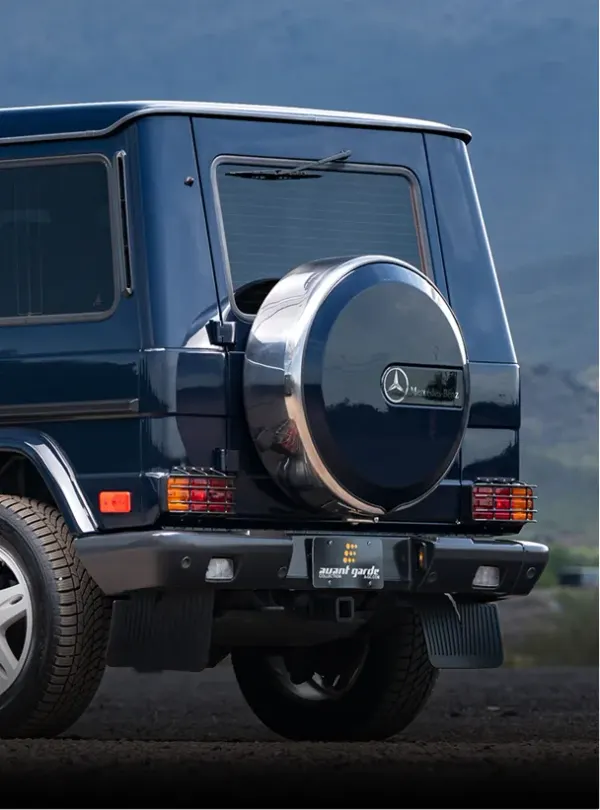
This is a genuinely rare example of the Mercedes-AMG G-Class, a June 2023 G63 Magno Hero Edition finished in Magno Opalith White, one of only 120 examples built in right hand drive for this limited run. Chassis code 463276, frame number W1N4632762X477085, it has covered just 9,552 km, which converts to approximately 5,937 miles, an exceptionally low figure for a car of this age. The auction sheet records a grade 5 exterior and an A graded interior, among the highest combinations the Japanese auction system awards, and the vehicle carries a valid shaken (Japanese roadworthiness certificate) until June 2026. It is offered through USS HAA Kobe as lot 81086, with the Japanese auction taking place on 3 October 2026. For buyers searching for a G63 Magno Hero Edition with genuinely low mileage and documented auction house grading, this is a standout entry on the Japanese market this week.
The G63 Magno Hero Edition pairs the familiar twin turbo 4.0 litre V8 AMG powertrain with a dedicated specification built around the matte Magno Opalith White finish, Night Package I and II detailing, AMG 22 inch alloy wheels, white nappa leather, a Burmester sound system and a cherry wood lined luggage area. It is a car built to stand apart from the standard G63 both visually and in terms of equipment, and limited production numbers mean clean, low mileage examples are genuinely difficult to find, in Japan or anywhere else.
The Drive Review of the G63 Magno Hero Edition
The modern G-Class occupies a rare and wonderful place in the car world. It retains the boxy, upright silhouette and ladder frame construction that trace back to the original 1979 Geländewagen, yet underneath that instantly recognisable shape sits one of the most sophisticated AMG V8 powertrains Mercedes builds. The G63's 4.0 litre twin turbocharged V8, shared in detuned form with cars like the AMG GT, produces a deep, chesty exhaust note and enormous low down torque that makes the big SUV feel far more urgent than its height and weight would suggest.
Despite its off road origins and genuine low range capability, the G63 drives with surprising composure on road. The nine speed automatic transmission shuffles ratios smoothly, the steering has been sharpened over the generations to feel more direct than the old G Wagen ever did, and the adaptive damping keeps body movement in check far better than the vehicle's tall stance implies. It will never disguise its height or its weight through a series of fast corners, and this is part of its appeal: it is an analogue, honest driving experience in an era when so many performance SUVs try to pretend they are hatchbacks. Enthusiasts are drawn to the G63 precisely because it does not apologise for what it is. It feels mechanical, substantial and deliberately old school in its engineering, while still offering genuine pace and a cabin dripping with modern technology.
Owners should be aware that the G-Class is a thirsty, heavy vehicle with running costs to match, that tyres and brakes wear faster than on a conventional SUV given the kerb weight, and that specialist knowledge is valuable when it comes to servicing the AMG V8 and the vehicle's air suspension and four wheel drive systems. None of this diminishes its appeal; if anything it reinforces why buyers seek out well documented, low mileage, carefully kept examples like this one rather than higher mileage cars with unknown histories.
Auction Details
This Mercedes-AMG G63 Magno Hero Edition is lot number 81086 at USS HAA Kobe, with the Japanese auction scheduled for 3 October 2026. The auction start price is ¥17,800,000. Autoselecta has not set a specific guide bidding range for this particular car, so interested buyers should refer to the live price panel on this page for current bidding information rather than relying on a fixed figure in this report. It is important to understand that any guide range Autoselecta does provide on other vehicles is an estimated bidding range based on recent market activity, not a guaranteed purchase price, and this car may sell above or below any informal expectation. There are no closely comparable sold results on record for this exact specification to draw a direct comparison from, which is itself a reflection of how rarely the Magno Hero Edition appears at Japanese auction. All bids must be submitted before 9PM UK time the evening before auction.
Vehicle Specifications
Manufacturer Mercedes-AMG, model G-Class, grade G63 Magno Hero Edition, chassis code 3BA-463276, first registered June 2023. Engine capacity 4,000 cc, fuel petrol, transmission CAT (column mounted automatic), drive 4WD. Exterior colour white, factory colour code 659, with the auction sheet noting the original colour as white and an arrow drawn through the colour change section, which on Japanese auction sheets typically indicates a factory special or matte finish being flagged for inspector attention rather than a repaint; this is discussed further in the body condition section below. Interior colour white tone, interior grade A. Odometer reading 9,552 km, approximately 5,937 miles. Seating capacity 5. Steering position right hand drive. Shaken (Japanese roadworthiness inspection) valid until 29 June 2026. Registration plate shown on the sheet as Naniwa 335 tsu 9119, and the auction notes state the registration number plate is open to negotiation. Recycling deposit recorded as 18,430 yen.
Factory Features and Equipment of the G63 Magno Hero Edition
The sales points section of the auction sheet confirms this car is one of a limited run of 120 right hand drive examples. It is finished in the signature Magno Opalith White matte paint, a hallmark of the AMG Magno range. It carries G Manufaktur specification, Mercedes-AMG's bespoke personalisation programme, along with Night Package I and Night Package II, which typically bring gloss black exterior detailing and trim. The car rides on AMG 22 inch alloy wheels and is trimmed inside with white nappa leather. A Burmester surround sound system is fitted, and the luggage compartment features cherry wood lining, a distinctive touch unique to this special edition. The general equipment box on the auction sheet, covering items such as sunroof, navigation, TV, power windows and airbags, could not be read with confidence as every label shared the same printed oval shape with no clear hand marking, so individual equipment items from that section are not confirmed and should not be assumed either present or absent. No new car service book or warranty booklet is recorded as present with this vehicle.
Japanese Auction Report Translation
The auction sheet identifies this vehicle as a Mercedes-AMG G-Class, grade G63 Magno Hero Edition, chassis type 3BA-463276, first registered June 2023. Engine size is listed as 4000 cc, body style five door, drive 4WD. The overall auction grade is 5, with an interior auxiliary grade of A, reflecting a car in excellent cosmetic order both outside and in. Mileage is recorded at 9,552 km. Exterior colour is listed as white, colour code 659, with fuel type petrol and interior colour described as white tone. The transmission is noted as CAT, a column mounted automatic. Air conditioning is listed as AAC, automatic climate control. The new car service book and warranty booklet box is marked as not present. The steering position is confirmed as right hand drive. The imported car model year and import category fields were left blank, as was the transfer document expiry date. The recycling deposit is 18,430 yen and the car is specified for five occupants. Load capacity was left blank, as is normal for a passenger vehicle of this type.
Under the inspector's own written comments, the sheet notes seat edges creased, light dirtiness and scratches inside the cabin, scratches to the wheels, and small scratches and small dents to the bodywork. These comments should be read alongside the damage diagram below for full context. No mechanical faults, warning lights, fluid leaks, smoke, odours or drivetrain issues are noted anywhere on the sheet. No accident repair history, no rust and no corrosion are recorded. A spare tyre is drawn on the diagram with no fault code against it. Sales points confirm the limited edition status, matte paint, G Manufaktur specification, Night Packages, 22 inch AMG wheels, white nappa leather, Burmester audio and cherry wood luggage trim as detailed above. The only point to note is that the registration number plate is open to negotiation, a common administrative note on Japanese auction sheets rather than a condition issue. This translation has been completed and checked by Autoselecta staff directly from the original Japanese auction sheet.
Damage Diagram and Body Condition
The damage diagram on the auction sheet carries three markings, each flagged by the inspector as uncertain in their precise reading. The first is a トビA notation (stone chip with scratch) positioned toward the front of the roof, inside the dashed roofline outline of the diagram; the inspector's own annotation notes this could alternatively be the rear of the bonnet, so the exact panel is not completely certain, but either location represents a minor cosmetic mark consistent with stone chipping or light scratching rather than any structural concern. The second and third markings are simple A codes (scratch, no size grade given) positioned on the left and right sides of the vehicle, both behind the rear wheels in the rear quarter area; again the inspector notes the exact panel, whether rear quarter panel or rear bumper corner, could not be confirmed with total certainty, and no size number accompanies either mark.
No W codes (repair marks or panel waves), no U codes (dents), no S or C codes (rust or corrosion), no X codes (glass cracks) and no P or XX codes (repainted or replaced panels) appear anywhere on the diagram. This is a clean damage history by Japanese auction standards, with only light, typical surface marks noted rather than any sign of accident repair or replacement panels. Combined with the grade 5 exterior score, the overall body condition assessment is of a genuinely well kept, low mileage example in usable, premium enthusiast condition, showing only the light stone chipping and minor scratching one would expect from a car driven and parked normally rather than cosseted under cover at all times. This is not a car with restoration needs; it presents as a smart, largely unmarked G63 with a small number of very minor cosmetic observations.
Interior Condition
The interior is graded A, the highest interior grade awarded on the Japanese auction scale, reflecting a cabin in excellent overall condition for its age and mileage. The inspector's written comments note creased seat edges, a common and largely cosmetic wear point on leather bolsters, along with light general dirtiness and scratches inside the cabin. Wheel scratches are also recorded, referring to the alloy wheels rather than the interior trim. No tears, burns, odours, electrical faults or warning lights are noted anywhere on the sheet. Photographs show white nappa leather upholstery across the front and rear seats, a two spoke AMG steering wheel, digital instrument and infotainment displays, and the dashboard trim with the car's chrome AMG badging. The rear bench photograph shows light coloured leather seating, the illuminated rear door storage pocket and clean carpeting and trim panels with no visible damage.
Japanese Auction Grades
Japanese auction grading gives buyers a quick, standardised way to understand a car's condition before it crosses the block, and it is worth understanding what these figures actually mean. The exterior grade on this car is 5, the highest grade generally awarded on the common Japanese scale, denoting a vehicle in excellent, close to new condition with no significant panel damage, no repainting of consequence and only very minor cosmetic marks of the type described above. The interior auxiliary grade of A similarly represents the top band for cabin condition, indicating light wear with no significant soiling, tears or damage. These grades are assigned independently by the auction house inspector at the point of inspection and are widely trusted across the Japanese export trade as an honest, conservative assessment, though they remain a condition guide rather than a mechanical warranty, a point covered further in the auction caution section below.
Model History of the Mercedes-AMG G-Class
The Mercedes-Benz G-Class, known in Germany as the Geländewagen, was first introduced in 1979 as a rugged military and civilian off roader built in cooperation with Steyr Daimler Puch in Austria. Its ladder frame chassis, solid axles and boxy body have remained remarkably consistent in silhouette across more than four decades of production, even as the engineering underneath has evolved almost beyond recognition. AMG's involvement began in earnest in the late 1990s and early 2000s, culminating in the G55 and later G63 AMG models that fitted increasingly powerful engines into the same unmistakable shape. The current generation, launched for the 2019 model year, retained the classic exterior profile while moving to a largely new independent front suspension design, a significantly updated interior, and AMG's twin turbocharged 4.0 litre V8 in the G63. Special editions such as the Magno Hero Edition, built in strictly limited numbers with bespoke colour, trim and equipment packages through Mercedes-AMG's G Manufaktur programme, have become some of the most sought after variants precisely because they combine the core G-Class character with genuine scarcity and a higher level of personalisation than the standard production run.
Why This Model Has Become Collectible
The Mercedes-AMG G-Class has achieved a rare feat in the automotive world: it has become both a status symbol and a genuinely respected piece of engineering, admired by collectors and enthusiasts who understand its off road pedigree as much as by buyers drawn to its presence and AMG performance. Limited editions like the Magno Hero Edition add a further layer of desirability, with only 120 right hand drive examples built to this specification worldwide. That kind of scarcity, combined with the model's continued popularity and Mercedes-AMG's reputation for hand finished V8 engines, means clean, low mileage, well documented examples are becoming increasingly hard to source, particularly from the Japanese domestic market where cars tend to be kept in excellent condition and carry transparent auction house inspection histories. The combination of a 9,552 km odometer reading, grade 5 exterior, grade A interior and a documented limited production run makes this a notably strong example for collectors and serious buyers to consider, without any need to overstate its appeal.
What To Look For When Buying This Model
Buyers considering a G63 of this generation should pay close attention to service history, given the complexity and cost of maintaining the twin turbo AMG V8, and should always check for evidence of regular oil changes and drivetrain servicing given the heavy nature of the vehicle. Tyre and brake wear should be inspected closely on any used example, as the G-Class's weight accelerates wear on both. Buyers should also check the condition of the matte Magno paint finish specifically, as matte wraps and factory matte paintwork require different care to conventional gloss paint and cannot simply be polished if damaged; on this car the auction sheet notes only light stone chipping and minor scratching, with no repaint or repair marks recorded, which is a positive sign. Interior leather bolster wear, as flagged on this sheet, is common on well used G-Class examples and buyers should factor in the realistic cost of any reconditioning. Finally, with any imported special edition, buyers should confirm exactly which equipment and packages are fitted, since general equipment details such as sunroof or navigation could not be confirmed with confidence from this particular auction sheet and should be verified through photographs and further enquiry rather than assumed.
Why Import This Car From Japan
Japan remains one of the best sources in the world for low mileage, well documented performance and luxury vehicles, thanks to a culture of meticulous maintenance, transparent auction house grading and a used car market that turns over quickly as owners frequently trade in relatively young vehicles. A car like this G63 Magno Hero Edition, with under 10,000 km on the clock and a grade 5 auction rating, is the kind of example that is genuinely difficult to find in comparable condition on the open market in Europe, the Middle East, Australia or elsewhere, where equivalent mileage examples are rare and typically command a significant premium when they do appear. Importing directly from Japan gives buyers access to the full breadth of the Japanese auction system, independent inspection reports, and a far larger pool of genuinely low mileage stock than is typically available through local dealer networks.
Ultimate Guide For Japanese Imports
Importing a vehicle from Japan involves a sequence of steps that Autoselecta manages on the buyer's behalf from start to finish. This begins with sourcing the vehicle through Japan's major auction houses, in this case USS HAA Kobe, followed by bidding on the buyer's behalf up to an agreed maximum, payment and purchase processing once the car is won, export preparation including deregistration and any necessary inspection, shipping to the buyer's destination port, and finally guidance through local customs clearance and registration requirements, which vary significantly depending on the importing country. Buyers should research their own country's specific import duty, tax, emissions and registration requirements before bidding, since these differ widely between, for example, the European Union, the United Kingdom, Australia, New Zealand and other markets, and Autoselecta's team can advise on the general process while buyers confirm final compliance requirements with their own local authorities.
Why Import Through Autoselecta
Autoselecta provides direct access to Japan's major auction houses, including USS HAA Kobe where this G63 is listed, giving buyers a transparent view of auction sheet grading and condition reports rather than relying on a local dealer's own description. The team offers full auction sheet translation and explanation, as provided throughout this report, bidding assistance up to the buyer's chosen maximum, and complete handling of export paperwork once a vehicle is secured. Shipping is arranged to the buyer's destination country, with import support to help buyers understand the requirements specific to their own market, and vehicle tracking is provided where available so buyers can follow their car's progress from Japan to arrival. Communication is maintained throughout the process, from the initial bidding stage through to delivery, giving buyers confidence when purchasing a vehicle they have not inspected in person.
Browse This Week's Japanese Auctions
This Mercedes-AMG G63 Magno Hero Edition is one of many vehicles currently available through Japan's live auction system. Buyers interested in similar AMG models, other G-Class variants, or different performance and luxury vehicles from this week's Japanese auctions are encouraged to browse the current listings on the Autoselecta website for further options.
Live Auction Search
Buyers can use Autoselecta's live auction search tool to look for specific models, grades, mileage ranges or auction houses across Japan's major auction networks, helping to identify further examples of the Mercedes-AMG G-Class or comparable vehicles that may suit their requirements.
Auction Caution
Vehicles sold through Japanese auctions, including this Mercedes-AMG G63 Magno Hero Edition, are inspected before sale, but they remain used vehicles and the auction sheet should be treated as an independent condition guide rather than a mechanical warranty. Even a car graded 5 with an A graded interior, as this one is, can require servicing, maintenance or minor refurbishment after purchase, particularly given the complexity of the AMG V8 drivetrain and the specialist matte paint finish. Buyers should note the inspector's recorded comments on this vehicle, namely creased seat edges, light cabin dirtiness and scratches, wheel scratches, and small scratches and small dents to the bodywork, along with the uncertain stone chip and scratch markings on the damage diagram toward the front of the roof and behind both rear wheels. No service book is recorded as present with this vehicle. None of these points are unusual for a car of this age and mileage, but buyers should factor them into their expectations and budget for any necessary attention after import.


