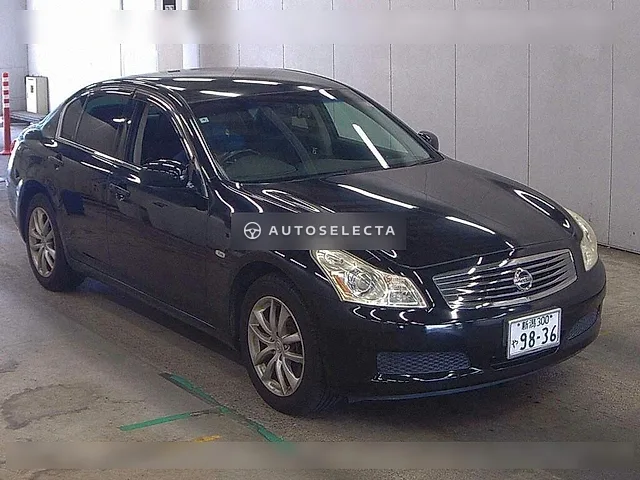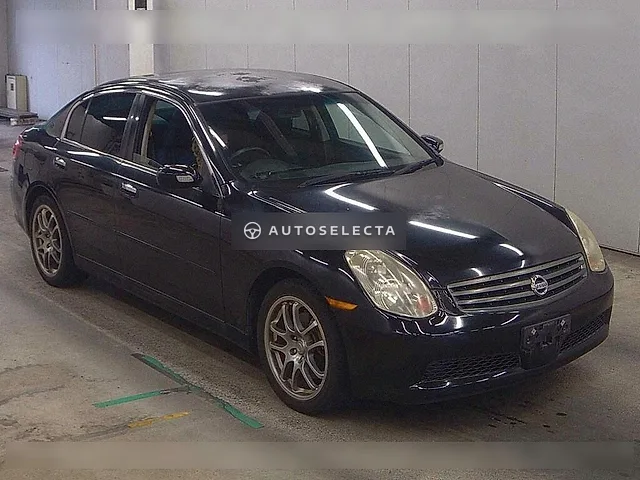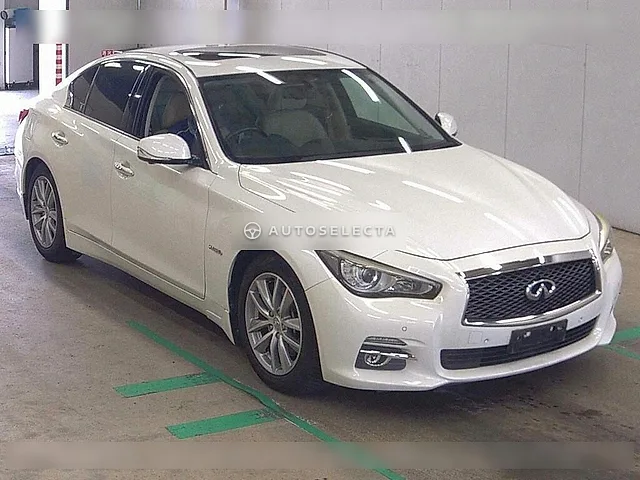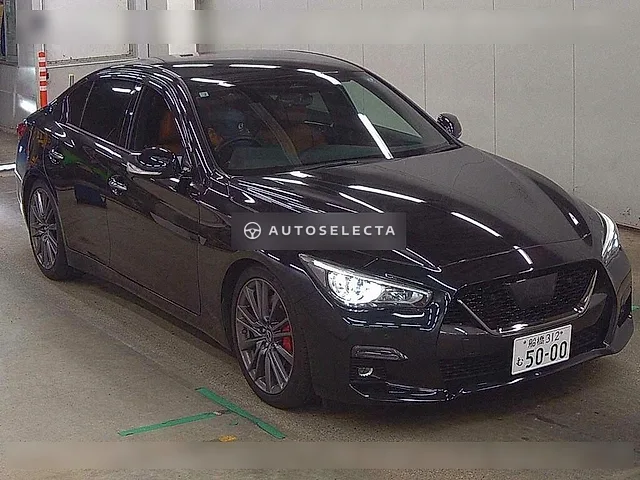


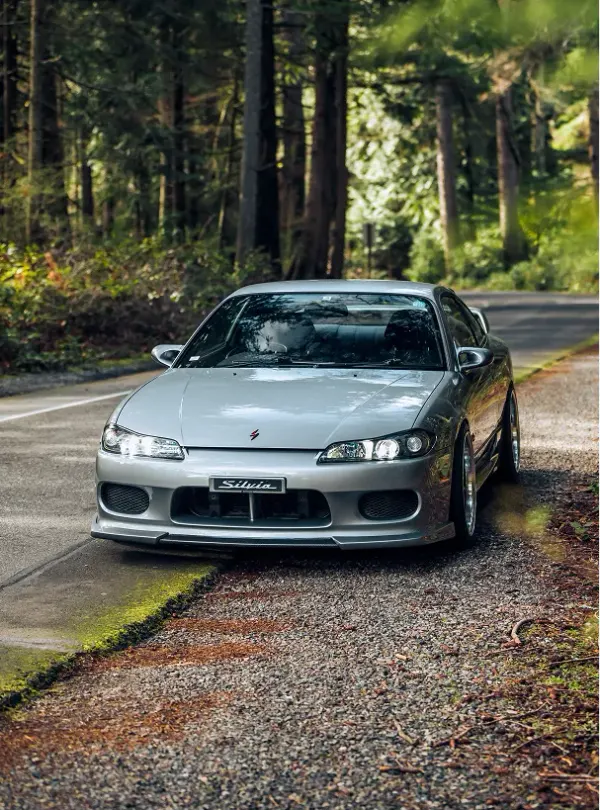
Overview of the Nissan Skyline GTS25t Type M Spec II
This is a March 1996 Nissan Skyline GTS25t Type M Spec II, chassis code E-ECR33, offered through USS Fukuoka as lot 3006 in the Fukuoka Fresh Corner section of the sale. It is finished in pearl, factory colour code WK1, with a black cloth interior, and carries 58,523 km on the odometer, which converts to approximately 36,376 miles. The car is a four door, five seat saloon powered by the 2,500 cc RB25DET twin turbo straight six, paired here with the floor mounted automatic transmission and 2WD, and fitted with factory alloy wheels, power steering, power windows and a driver's airbag. Auction grade is 4 with an interior sub grade of B, a solid overall standing for a car of this age and mileage. The shaken inspection runs to 4 November 2026, giving a buyer useful road tax cover from the point of import completion. This particular Skyline sits in the less common Type M Spec II specification, a more comfort orientated take on the R33 GTS25t range, and it is being offered from Japan with the auction sheet, translated and checked by Autoselecta, forming the basis of everything described in this report.
The Drive Review: What The Nissan Skyline GTS25t Type M Spec II Is Like To Drive
The R33 Skyline GTS25t sits below the GT-R in the range but shares the same basic RB series engineering philosophy that made the family famous. The RB25DET is a single turbo, twin cam straight six of 2,498 cc, and in the GTS25t it was tuned for smooth, torque rich delivery rather than outright top end power, which suits the automatic transmission fitted to this car well. Where the manual versions reward a more involved driving style, this automatic Type M Spec II is set up as a refined, effortless six cylinder cruiser, with strong mid range pull from the turbo and a naturally long, unhurried power delivery that six cylinder Nissan engines of this era are known for. The chassis is a conventional front engine, rear wheel drive layout with double wishbone front and multi link rear suspension, giving the R33 a planted, well damped ride that feels notably more mature than the earlier R32 generation, without losing the sense of connection through the steering that made the Skyline name what it is. Type M models like this one were positioned as the touring and comfort focused derivative of the GTS25t line, so specification typically leans toward automatic climate control, softer trim and a more relaxed drive rather than the harder edged GT-R type character, and that is exactly the flavour this Spec II example offers. Weak points buyers should be aware of on any RB25DET Skyline of this vintage include ageing coolant hoses, cambelt and timing chain wear if history is unclear, worn engine mounts that show up as vibration at idle, and electrical gremlins in ancillary items such as door mirrors and window switches, an area where this specific car's auction sheet does flag a fault, discussed further below. Overall the GTS25t Type M Spec II offers genuine RB engine character and classic Skyline dynamics in a package that is easier to live with day to day than a manual GT-R, which is part of why it appeals to buyers who want the analogue six cylinder feel of the era without the harder edge.
Auction Details
This Nissan Skyline GTS25t Type M Spec II is lot number 3006, sold through USS Fukuoka in the Fukuoka Fresh Corner section, with an auction date of 30 September 2026 in Japan. The auction start price is ¥780,000. Similar R33 generation Skylines sold recently at Japanese auction have ranged between roughly £6,416 and £13,120, with a typical result around £7,233, though that range includes other grades, mileages and specifications so it should be read as general market context rather than a prediction for this exact car. Autoselecta has not set a formal guide bidding range for this particular vehicle, so bidders should refer to the live price panel on this page for current cost information rather than relying on any figure quoted elsewhere. All bids must be submitted before 9PM UK time the evening before auction.
Vehicle Specifications
Manufacturer Nissan, model Skyline, grade GTS25t Type M Spec II, chassis code E-ECR33, first registered March 1996 (Heisei 8), body style four door saloon, engine capacity 2,500 cc, engine RB25DET turbocharged straight six, fuel petrol, transmission floor mounted automatic, drive 2WD, exterior colour pearl, colour code WK1, interior black cloth, seating for five, odometer reading 58,523 km which is approximately 36,376 miles, auction house USS Fukuoka, lot number 3006, auction grade 4, interior grade B, shaken valid to 4 November 2026, frame number 105931, original registration plate Fukuoka 303 mu 4919, recycling deposit 12,250 yen as noted on the auction sheet.
Factory Features and Equipment On This Nissan Skyline
The auction sheet confirms this car left the factory with alloy wheels, power steering, power windows and a driver's side airbag, and it is fitted with automatic air conditioning, marked on the sheet as AAC. These were reasonably well specified items for a mid 1990s Japanese domestic market saloon and reflect the more comfort led Type M Spec II positioning within the GTS25t range. The new car service book box on the auction sheet is blank, so a full service history book is not confirmed, and the steering side box is also blank on the sheet, though the car is a Japanese market vehicle and would be right hand drive as standard for this model and market. No spare key, additional owner manuals or spare wheel status are mentioned on the sheet, so these should be treated as not confirmed rather than assumed present.
Japanese Auction Report Translation
The auction sheet, translated and checked by Autoselecta, lists this as lot 3006 from the Fukuoka Fresh Corner section. First registration is shown as March 1996, model name Nissan Skyline, grade GTS25t Type M Spec II, chassis code E-ECR33, engine size 2500 cc, body four door, drive 2WD. The auction grade is 4 and the interior sub grade is B. Shaken inspection runs to 4 November 2026. Transmission is listed as FAT, meaning floor mounted automatic, and air conditioning is listed as AAC, automatic air conditioning. Odometer reading is 58,523 km. Original colour is listed as pearl with colour code WK1, and the colour change box carries only an arrow mark, which is generally read as no colour change having occurred, though this is not entirely certain from the sheet notation. Fuel is petrol. The recycling deposit is listed as 12,250 yen. Seating capacity is five. The original registration plate is shown as Fukuoka 303 mu 4919 and the frame number is 105931. Equipment marked includes factory alloy wheels, power steering, power windows and an airbag. The inspector's written comments note that the electric folding door mirror is faulty, that there is a small tear in one of the seats, that the wheels are scratched, that there is rust on the underside of the car, and that there are small scratches and small dents present generally across the body. These comments are transcribed directly from the sheet without addition.
Damage Diagram and Body Condition
The damage diagram on the auction sheet marks several specific points around the body. At the front bumper there is an A3 marking, indicating a large scratch, which is the most significant single cosmetic item recorded. On the left front wing there is a U1 marking, a small dent. A U1 is also marked in the bonnet area, again a small dent, though the exact panel is not entirely certain from the sheet. On the right side of the car, in the front door area, a code reading FU1 appears; this is read as most likely denoting a small dent (U1) with an unclear F prefix, and should be treated as not fully certain. On the left side, toward the rear door or rear quarter panel, a U2 marking appears, indicating a dent, though again the precise panel is approximate. At the rear bumper a code reading UA1 appears, which is not a standard notation and is interpreted as most likely a small dent with a small scratch, though this is also not certain. Combined with the inspector's written notes of rust on the underside and general small scratches and small dents across the car, this points to a Skyline that has lived a normal Japanese domestic life with typical wear rather than any single major impact. There is no XX replaced panel marking and no indication of structural repair on the sheet. Overall this presents as a usable enthusiast condition example rather than a concours or collector grade car, consistent with its grade 4 rating, with the front bumper scratch and underside rust being the two points a buyer should pay closest attention to at inspection.
Interior Condition
The interior carries a sub grade of B on the auction sheet, generally indicating fair to good condition with some visible wear consistent with the car's age and mileage. The inspector specifically notes a small tear in one of the seats, which should be expected on arrival rather than treated as a surprise. Photographs show cloth seat trim, a factory automatic gearbox with floor selector, an analogue instrument cluster with the odometer visible showing the mileage on the sheet, and a dashboard and steering wheel that appear consistent with an unmodified Japanese domestic market Skyline of this era. No further interior damage, odour, smoke staining or electrical faults beyond the noted door mirror issue are recorded on the sheet.
Japanese Auction Grades Explained
Japanese auction grading gives buyers a fast, standardised way to judge condition before bidding. Grade 4 places this Skyline in the solid mid to upper range for a car of this age, indicating a well kept example with some minor exterior imperfections but no major accident history or structural repair recorded. Interior grade B indicates fair to good condition, generally free of major damage but showing some expected wear, in this case the noted small seat tear. These grades are assigned by trained auction house inspectors working to a broadly consistent industry standard across Japan, and while they are a useful shorthand, the detailed written comments and damage diagram on the sheet, translated in full above, always take precedence over the headline grade number when assessing true condition.
Model History: The Nissan Skyline R33 and GTS25t
The R33 Skyline arrived in 1993 as the successor to the R32, growing in size and refinement while retaining the front engine, rear wheel drive layout and straight six engine family that had defined the nameplate for decades. The GTS25t sat in the range below the GT-R, using the turbocharged RB25DET straight six rather than the GT-R's twin turbo RB26DETT, and offered buyers strong performance and six cylinder character at a lower price point and with simpler running gear. Within the GTS25t range Nissan offered several trim variations, and Type M models were positioned as a more comfort and touring oriented specification, typically pairing the turbocharged engine with items like automatic climate control and softer trim rather than the harder edged focus of sportier derivatives. Spec II designations generally refer to a specific equipment package within a model year. This car, registered in March 1996, represents a well specified example of that comfort led GTS25t Type M direction, built during the R33's core production run before the model was replaced by the R34 generation in 1998.
Why This Model Has Become Collectible
The R33 Skyline family, and particularly its GT-R variant, has become firmly established as a modern Japanese performance icon, and that halo effect has steadily increased interest in the wider R33 range including the GTS25t models. These cars share the same platform engineering, the same fundamental straight six turbocharged philosophy and much of the same visual identity as the GT-R, at a fraction of the cost, which has drawn in enthusiasts who want the look and mechanical character of the era without GT-R money. Survival rates for well kept, unmodified GTS25t examples are shrinking as many cars were used hard or gradually broken for parts to support GT-R projects, making genuine, honest examples like this one increasingly harder to source directly from Japan. The RB engine family's reputation for strong build quality and tuning potential, combined with rear wheel drive dynamics that feel increasingly rare in an era of front wheel drive and electrified performance cars, continues to drive demand from markets including the UK and USA, where cars of this age and specification are old enough to import outright. None of this should be read as a promise of future value, but the direction of interest in analogue, straight six Japanese saloons and coupes from this period has been consistently upward for some years.
What To Look For When Buying This Model
Buyers considering an R33 GTS25t should check the condition of engine mounts and listen for excessive vibration at idle, inspect coolant hoses and the radiator for age related deterioration, and confirm smooth operation of the automatic transmission through all gears including kickdown response, since sluggish or hesitant shifts can indicate fluid or internal wear issues on a car of this mileage. Underside rust, as flagged on this car's auction sheet, is a genuine consideration on Japanese cars from this era and should be inspected properly on arrival, including brake lines, fuel lines and structural members rather than just surface panels. Electrical items such as door mirrors, as noted faulty here, window regulators and central locking are common wear points and worth budgeting for. Wheel condition, tyre age and any evidence of previous accident repair beyond what is disclosed on the sheet should always be checked physically once the car arrives, since photographs and translated sheets, however thorough, cannot replace a hands on inspection.
Why Import This Car From Japan
Japan remains the best source globally for well documented, largely unmodified R33 Skylines of this type, because the domestic market kept cars serviced through a strict shaken inspection regime and because auction houses like USS Fukuoka provide detailed, independently produced condition reports of the kind translated in full above. Buying through the Japanese auction system gives access to a far larger pool of genuine, honestly graded stock than is typically available on the used market in the UK or USA, at auction pricing that reflects real domestic demand rather than export markup. For a Nissan Skyline GTS25t Type M Spec II specifically, sourcing from Japan is effectively the only realistic way to find a car with this level of documented history and original specification, since very few were ever sold new outside Japan.
USA Import Information
This 1996 Nissan Skyline is old enough to qualify for import into the United States under the 25 year rule. Autoselecta can arrange shipment from Japan to the United States on behalf of buyers, and anyone considering bidding on this car from the USA should contact Autoselecta with their city or ZIP code before bidding so that a proper delivered quotation can be prepared in advance. Autoselecta can calculate the expected purchase cost, Japan side charges, ocean shipping, customs related costs and any state specific delivery requirements, though buyers should understand that these additional charges are calculated individually for each destination and are not included in the Japan auction price itself.
Ultimate Guide For Japanese Imports
Importing a car from Japan generally involves winning the vehicle at auction, arranging export preparation and deregistration in Japan, booking sea freight to the destination country, and then handling customs clearance, applicable duties and taxes, and any local registration or compliance steps once the car arrives. Each destination market has its own specific rules, and age eligibility, emissions requirements and registration processes can differ significantly between the UK, the USA and other markets, so it always pays to confirm the exact requirements for your location before committing to a purchase.
Why Import Through Autoselecta
Autoselecta gives buyers direct access to Japanese auction houses including USS Fukuoka, with full auction sheet transparency of the kind provided in this report, genuine photographs from the auction listing, and staff who translate and check every inspector comment rather than relying on machine translation alone. Autoselecta assists with bidding strategy, handles export paperwork and shipping logistics, supports import compliance in both the UK and USA, and provides tracking information where available so buyers know where their car is throughout the process. Communication continues from the point of bidding through to arrival, giving buyers confidence when purchasing a vehicle they have not inspected in person.
Browse This Week's Japanese Auctions
Autoselecta lists a changing selection of Nissan Skyline models and other Japanese performance cars from live auctions each week, giving buyers the chance to compare grades, specifications and pricing across multiple available cars before committing to a bid.
Live Auction Search
Buyers can use Autoselecta's live auction search tools to filter by model, chassis code, grade, mileage and auction house, making it straightforward to track down a specific variant such as this GTS25t Type M Spec II or to compare it against other R33 generation Skylines currently coming up for sale in Japan.
Auction Caution
Auction cars are inspected before sale but remain used vehicles, and Japanese auction sheets are an independent condition guide produced by the auction house rather than a mechanical warranty from Autoselecta or from Nissan. Older performance cars of this type may need servicing, maintenance or refurbishment after purchase regardless of their auction grade. On this specific car, the inspector has recorded a faulty electric folding door mirror, a small tear in one seat, scratched wheels, rust on the underside of the vehicle, and general small scratches and small dents including a large scratch to the front bumper, and these points should be budgeted for and inspected properly once the car is landed.