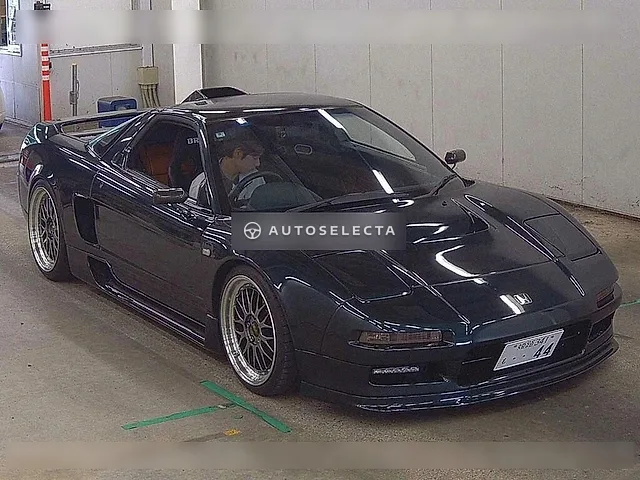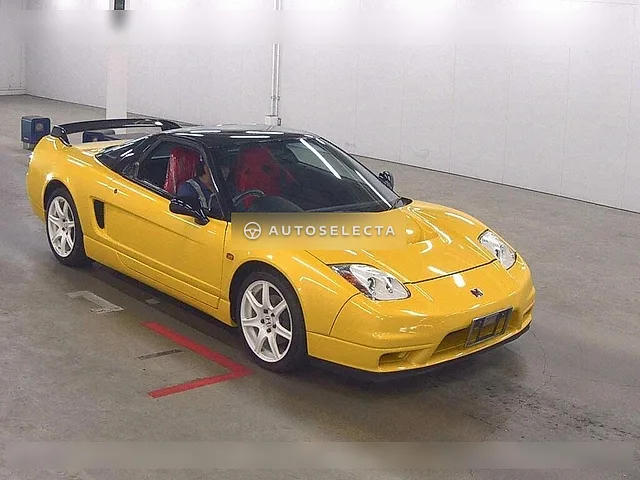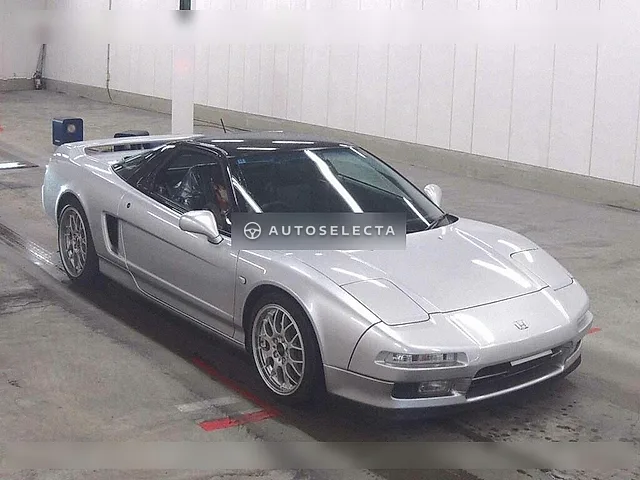
Overview of the Honda NSX NA1
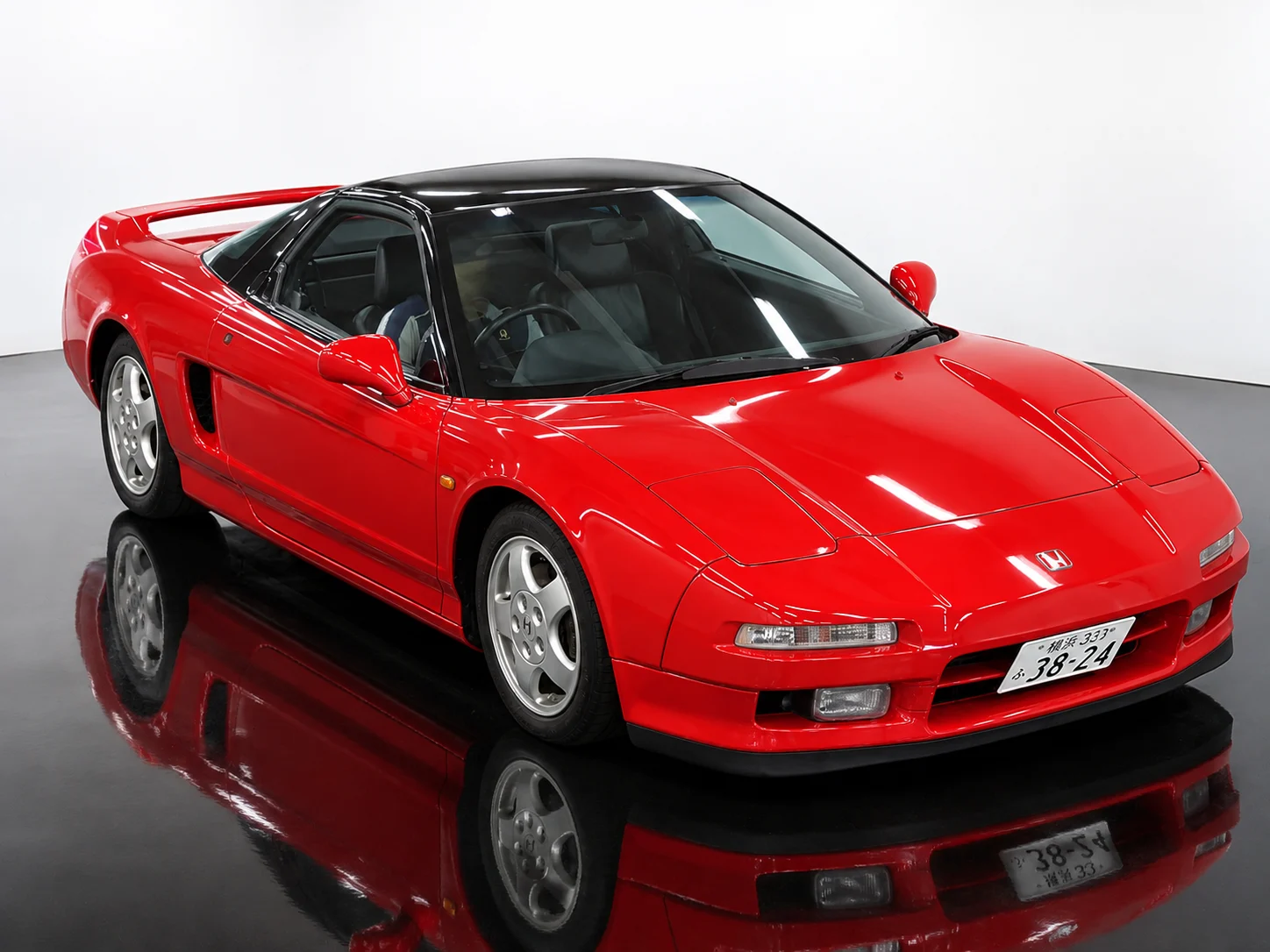
This is a 1991 Honda NSX, chassis code E-NA1, finished in its original red R77 with a black interior trim and leather seating. First registered in May 1991 (Heisei 3), it is a base grade car fitted with the four speed automatic transmission and 2WD layout, powered by Honda's 3.0 litre C30A V6. The odometer reads 35,249 km, which converts to approximately 21,905 miles, a genuinely low figure for a car of this age and one of the strongest reasons this particular example stands out among NSX cars currently coming to auction in Japan.
The car is being offered through USS Osaka as lot 20079, carrying an auction grade of 4 with an interior grade of B, both solid, usable ratings for a car more than three decades old. The auction sheet records a new car service book with warranty as present, although the warranty booklet, owner's manual and spare key are noted as being sent on at a later date rather than accompanying the car at the point of sale. This is an important detail for any buyer to be aware of and is explained fully further down this report.
The Honda NSX needs little introduction to anyone with an interest in Japanese performance cars. It was the car that proved a mid engine supercar could be built with everyday usability, aluminium construction and genuine Formula 1 input, and this early NA1 example, with its low genuine mileage and factory colour combination, represents a desirable entry point into NSX ownership.
The Drive Review
The NSX was never about outright horsepower figures. Its C30A V6, a naturally aspirated 3.0 litre unit with Honda's VTEC variable valve timing, produces its character through revs rather than torque, pulling cleanly from low down before coming alive as the VTEC crossover point is reached and the engine note hardens toward the redline. In this car that engine is paired with Honda's four speed automatic transmission, which was offered alongside the standard five speed manual for buyers who wanted the NSX experience without a clutch pedal. The automatic loses some of the mechanical involvement of the manual cars, but it retains the mid engine balance, the light and direct steering, and the low centre of gravity that made the NSX feel so different to its contemporaries when new.
What continues to impress people who drive an original NSX today is how usable it feels. The aluminium monocoque keeps weight low, the visibility from the cabin is excellent by supercar standards, and the ride quality is compliant rather than punishing. Senna's input into the chassis development during testing at Suzuka is well documented, and the result was a car that rewarded a smooth, precise driving style rather than punishing the driver for small mistakes, in the way many of its European rivals of the era did. Compared with a modern car, there is no stability control, no touchscreen, and no electric power assistance dulling the steering feel, everything is analogue and everything is felt through the wheel and the seat.
Weaknesses to be aware of on any NSX include timing belt and water pump service intervals which must be respected, suspension bushes and dampers which soften with age, and the well known concern around the automatic transmission clutch pack and torque converter behaviour under hard use, which is why service history and mechanical condition matter more than outright cosmetic presentation on cars of this age.
Auction Details
This 1991 Honda NSX is being sold via USS Osaka, one of Japan's principal auction houses, under lot number 20079. The auction is scheduled for 2 October 2026 in Japan. All bids must be submitted before 9PM UK time the evening before auction. The auction start price is set at ¥8,980,000. No specific Autoselecta guide bidding range has been set for this particular car, so bidders should refer to the live price panel on this page for current guidance and should not assume the car will sell at or near the start price. For context only, and not as a guarantee of what this example will achieve, a similar NSX sold recently at Japanese auction for the equivalent of £57,508, though results vary significantly with specification, mileage and condition, and this figure includes other versions and conditions of NSX rather than being specific to this base grade automatic car.
Vehicle Specifications
Manufacturer Honda, model NSX, chassis code E-NA1, grade base grade, first registered May 1991. Engine 3.0 litre C30A V6, engine capacity 3,000 cc, fuel petrol. Transmission four speed automatic (FAT, floor shift automatic), drive layout 2WD. Exterior colour red, factory colour code R77, recorded on the sheet as an original colour with no colour change noted. Interior colour not specified on the auction sheet, trim finished in leather per the equipment marks. Odometer reading 35,249 km, approximately 21,905 miles. Seating capacity two. Body dimensions length 443 cm, width 181 cm, height 117 cm. Frame number NA1-1002075. Shaken (Japanese roadworthiness inspection) valid until 3 July 2028. Auction grade 4, interior grade B.
Factory Features and Equipment
The auction sheet confirms genuine alloy wheels, power steering, power windows, leather trim and an airbag, all marked as present on the equipment section of the sheet. Under sales points, the sheet lists an aftermarket navigation unit, full segment digital television reception, a reversing camera and an ETC toll card unit, all of which are visible in the photographs of the centre console. These are aftermarket additions rather than factory options and should be understood as such, they add useful modern convenience to what is otherwise an early 1990s cabin.
Japanese Auction Report Translation
The auction sheet has been translated and checked by Autoselecta staff. Every point noted by the inspector is set out here in full. Under points to note, the sheet states that the warranty booklet, owner's manual and spare key will be sent on at a later date rather than being included with the car at the point of sale, this is an important administrative detail for the buyer to plan around. The new car service book with the accompanying warranty document is separately marked as present.
Under the inspector's report, the following observations are recorded. The battery is noted as flat at the time of inspection. The cabin is described as lightly dirty with some scuffing. Pillar trim is noted as lifting in one place. The steering wheel produces a noise and a catching sensation when turned, which any buyer should have investigated as a priority as it may point to a power steering or column related fault. Wheel scratches are noted, consistent with what is visible on the alloy wheels in the photographs. Small scratches, small dents and light scratches are noted generally around the body, a normal observation for a thirty year old car that has been driven and used rather than kept purely static.
Damage Diagram and Body Condition
The damage diagram on the auction sheet marks a number of specific points around the body. On the front bumper there is an A3 marking, indicating a large scratch. The left front wing carries an A1 marking, a small scratch. The right front wing carries an A marking without a size number, indicating a scratch of unspecified severity. The bonnet also carries an A marking without a size number. Toward the rear of the bonnet, close to the windscreen, a トビA notation appears, which indicates stone chips with associated scratching, though its exact position between the bonnet and the windscreen glass could not be confirmed with complete certainty from the sheet. The right door carries an A1 marking, a small scratch. Two areas are marked with Pシミ, meaning a paint stain or blemish, one on the left rear quarter panel and one on the rear deck or boot lid area. The rear bumper on the right side carries a Y1 marking, indicating a small crack. A spare tyre symbol is drawn on the diagram but nothing is marked within it, so its condition or presence is not confirmed on the sheet.
Taken together, this is a car with a genuine history of light use and cosmetic wear rather than accident damage or heavy repair, there are no XX replaced panel markings, no W repair wave markings and no S rust markings anywhere on the diagram. The photographs support this picture, showing straight, glossy red paintwork with the black targa top panel in place, alloy wheels with visible light scratching consistent with the sheet, and door shuts and panel gaps that appear even and original. This is best described as a well presented, usable enthusiast grade example rather than a concours restoration piece, entirely fitting for its auction grade of 4.
Interior Condition
The interior is trimmed in black leather with an interior grade of B on the auction sheet, a solid rating indicating light wear consistent with genuine use. The inspector notes the cabin as lightly dirty with some scuffing, and pillar trim lifting in one place, both minor points a buyer should expect to address after purchase. The photographs show the black leather seats, the NSX's distinctively low set dashboard with the analogue instrument cluster, the three spoke steering wheel with the Honda badge, and the aftermarket navigation and reversing camera display fitted into the centre console alongside the original climate control switchgear. The instrument cluster photograph shows the odometer displaying 35,249 km with the rev counter and speedometer both clearly marked, supporting the mileage recorded on the auction sheet. No dashboard cracking or seat damage is visible in the supplied images, and no such damage is mentioned by the inspector.
Japanese Auction Grades
Japanese auction grades offer a standardised, independently assessed guide to condition rather than a guarantee. A grade of 4 for the exterior indicates a car with some visible wear and minor imperfections, consistent with genuine age and use, but free of accident damage, heavy rust or replaced panels, which would instead be recorded as lower grades. An interior grade of B indicates light to moderate wear inside the cabin, again consistent with what has been described by the inspector and visible in the photographs. These grades should be read alongside the full inspector notes and damage diagram, not in isolation, which is why the full translation has been provided above.
Model History
The Honda NSX was launched in 1990 as Honda's flagship, developed with input from Formula 1 personnel including Ayrton Senna, who was closely involved in refining the chassis during testing at the Suzuka circuit. It was the world's first production car with an all aluminium monocoque body, a decision that kept weight low and rigidity high, well ahead of its rivals adopting similar construction methods. The NA1 generation covered here ran from 1990 until a facelift in 1997 introduced the NA2 with a larger 3.2 litre engine and, on manual cars, a six speed gearbox. Power in NA1 form came from the C30A 3.0 litre V6 with Honda's VTEC system, sending drive to the rear wheels through either a five speed manual or, as fitted to this car, a four speed automatic transmission. The NSX was sold in Japan through Honda dealerships and in most other markets under the Acura brand as the Acura NSX.
Why This Model Has Become Collectible
The NSX has grown into one of the most respected Japanese performance cars of its generation for a combination of reasons. It combined genuine supercar performance and driving engagement with Honda build quality and everyday reliability at a time when that pairing was almost unheard of among exotic cars. Its aluminium construction and mid engine layout were engineering statements in their own right, and its role in raising the benchmark for what a Japanese performance car could achieve on the world stage has been widely credited by manufacturers and journalists alike in the decades since. Manual, low mileage and well documented examples in original condition are becoming increasingly hard to source directly from Japan, particularly as good cars are steadily absorbed into private collections and museum quality holdings around the world. Global demand, including strong interest from the United States now that early NSX cars have passed the 25 year import threshold, continues to put upward pressure on well kept examples, and originality, genuine mileage and complete history are increasingly what separates a desirable car from an ordinary one.
What To Look For When Buying This Model
Buyers considering any NSX should pay close attention to timing belt and water pump service history, given the intervals involved and the cost of neglect. Suspension bushes, dampers and the condition of the aluminium subframe mounting points are worth checking on any car of this age. On automatic cars specifically, the health of the transmission under load and its shift quality should be assessed carefully, given the added complexity compared with the manual cars. On this particular example, the inspector's note regarding noise and catching when the steering wheel is turned should be investigated thoroughly before bidding, as should the flat battery noted at inspection, which may simply reflect a period of non use or may point to a parasitic drain or ageing battery requiring replacement. The lifting pillar trim and general cabin scuffing are cosmetic items that a new owner should budget to address. Buyers should also be aware that the warranty booklet, owner's manual and spare key are not included with the car at the point of sale and will follow at a later date, which is worth factoring into any import and paperwork planning.
Why Import This Car From Japan
Japan remains the best source in the world for genuine, low mileage, well documented examples of cars like the NSX, thanks to a domestic market that historically favoured meticulous maintenance, comprehensive service history and a culture of trading in cars before high mileage accumulates. Auction houses such as USS Osaka provide independent, professionally inspected condition grading and detailed damage diagrams on every car, giving buyers a level of transparency that is very difficult to find in private sale markets outside Japan. Importing directly allows buyers in the UK and USA to access genuine right hand drive Japanese domestic market cars, in original specification, without paying the premium that is typically added once a car has already been imported and resold locally.
USA Import Information
This 1991 Honda NSX is more than 25 years old and is therefore eligible for import into the United States under the relevant federal rule. Autoselecta can arrange shipment of this car from Japan to the United States. Buyers in the USA are encouraged to contact Autoselecta with their city or ZIP code before bidding so that a delivered quotation can be prepared in advance. Autoselecta can calculate the expected purchase price, Japan side costs, shipping charges, customs related costs and any state specific delivery requirements, so that buyers have a clear picture of the full landed process before committing to a bid.
Ultimate Guide For Japanese Imports
Importing a car from Japan involves several stages, from winning the bid at auction through to export preparation, shipping and customs clearance in the destination country. Once a bid is successful, the vehicle is deregistered in Japan, prepared for export, and booked onto a shipping vessel bound for the UK or USA depending on the buyer's location. On arrival, the car goes through customs clearance and, depending on the destination market, registration and compliance steps before it can be used on the road. Working with an experienced importer who understands auction sheet grading, shipping logistics and the paperwork requirements at both ends of the journey removes much of the uncertainty from what can otherwise be a complicated process for a first time buyer.
Why Import Through Autoselecta
Autoselecta provides direct access to Japan's major auction houses, including USS Osaka where this NSX is listed, giving buyers a genuine window into the Japanese domestic market rather than relying on cars that have already been imported and marked up elsewhere. Every auction sheet is translated and checked by Autoselecta staff, as has been done in full for this report, so buyers can understand exactly what an independent Japanese inspector has recorded about the car before bidding. Autoselecta assists with vehicle sourcing, bidding strategy, export handling, shipping arrangements, import support and vehicle tracking where available, with UK arrival support for buyers in Britain and shipping arrangements for buyers in the United States, and clear communication is maintained with the buyer throughout the process from the moment a bid is placed to the point the car arrives.
Browse This Week's Japanese Auctions
Autoselecta lists a wide range of vehicles currently available at Japanese auction each week, from modern performance cars to classic and JDM icons such as this NSX. Buyers are encouraged to browse the current listings on the Autoselecta platform to see what else is coming up for sale alongside this car.
Live Auction Search
For buyers with a specific model, chassis code or specification in mind, Autoselecta's live auction search tool allows searching across upcoming Japanese auctions in real time, making it possible to find similar cars to this NSX or to track a particular model as new listings appear ahead of each auction date.
Auction Caution
Cars sold at Japanese auction, including this Honda NSX, are inspected before sale but remain used vehicles being sold as seen, and the auction sheet should be understood as an independent condition guide rather than a mechanical warranty. Older performance cars of this type may require servicing, maintenance or refurbishment after purchase, even where the auction grade and overall presentation are strong. On this particular car, the inspector's notes regarding a flat battery at the time of inspection and noise and catching when the steering wheel is turned should be treated as important points for further investigation, alongside the lifting pillar trim and general cabin wear noted on the sheet. Buyers should also note that the warranty booklet, owner's manual and spare key are being sent on at a later date rather than accompanying the car at the point of sale. All bids must be submitted before 9PM UK time the evening before auction.