


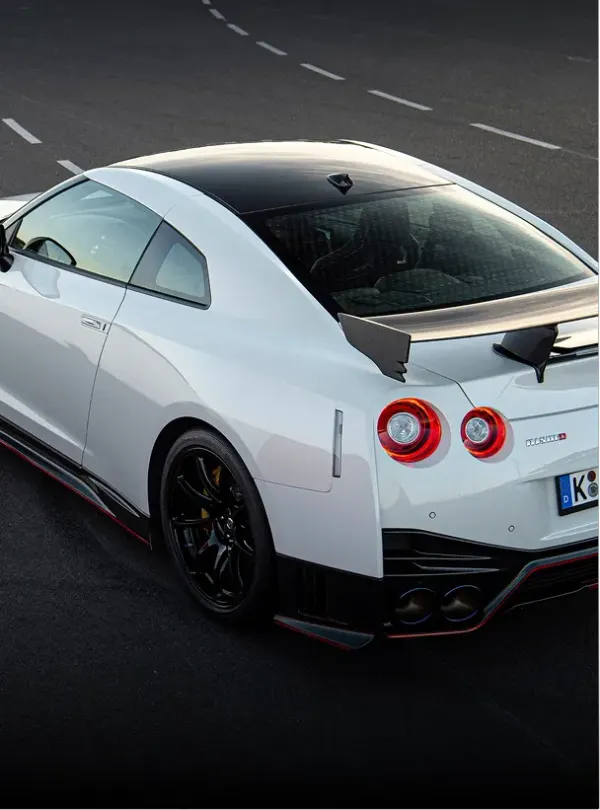

Guida
Importing a Car From Japan to Germany: TÜV and Costs
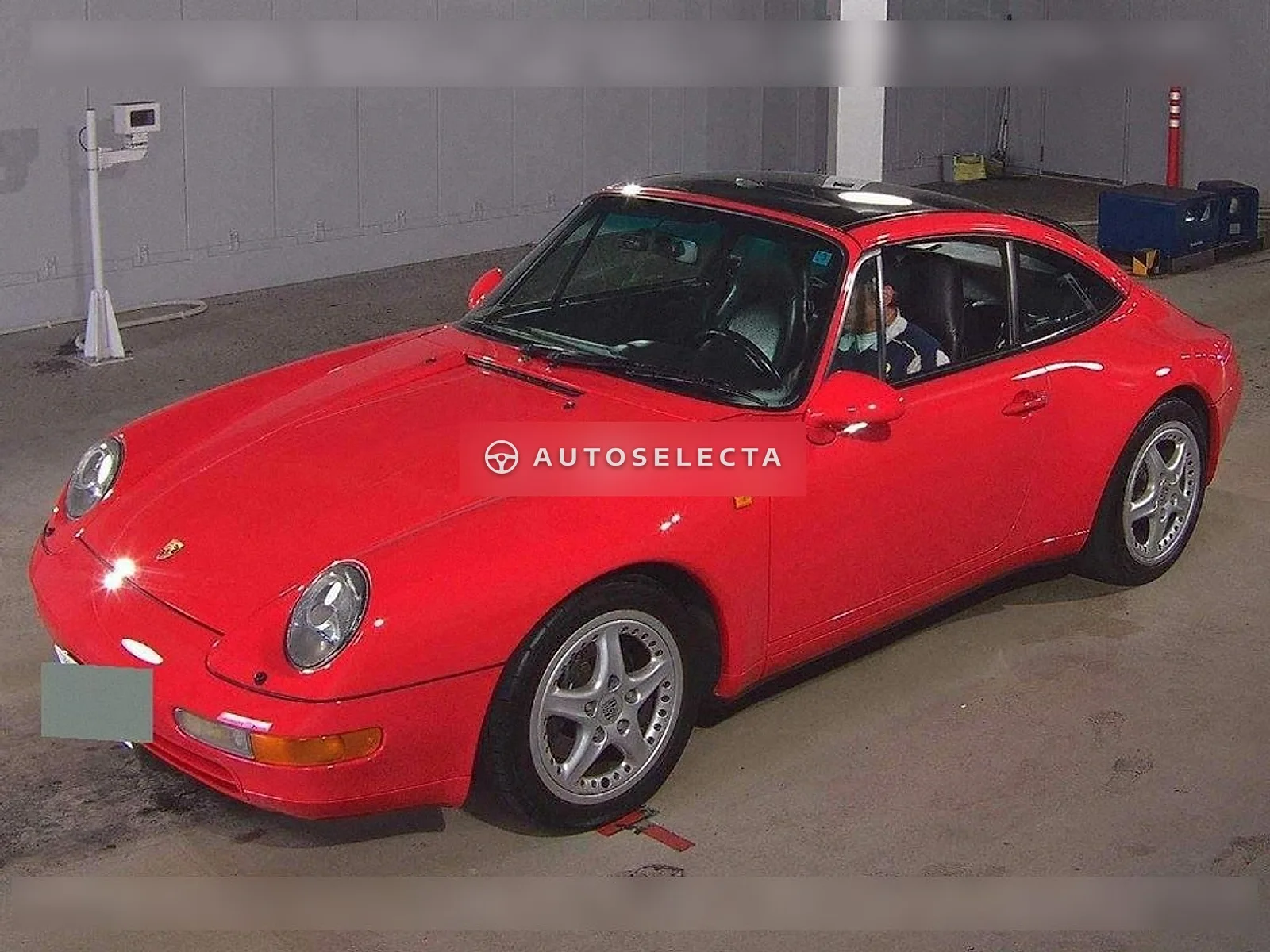
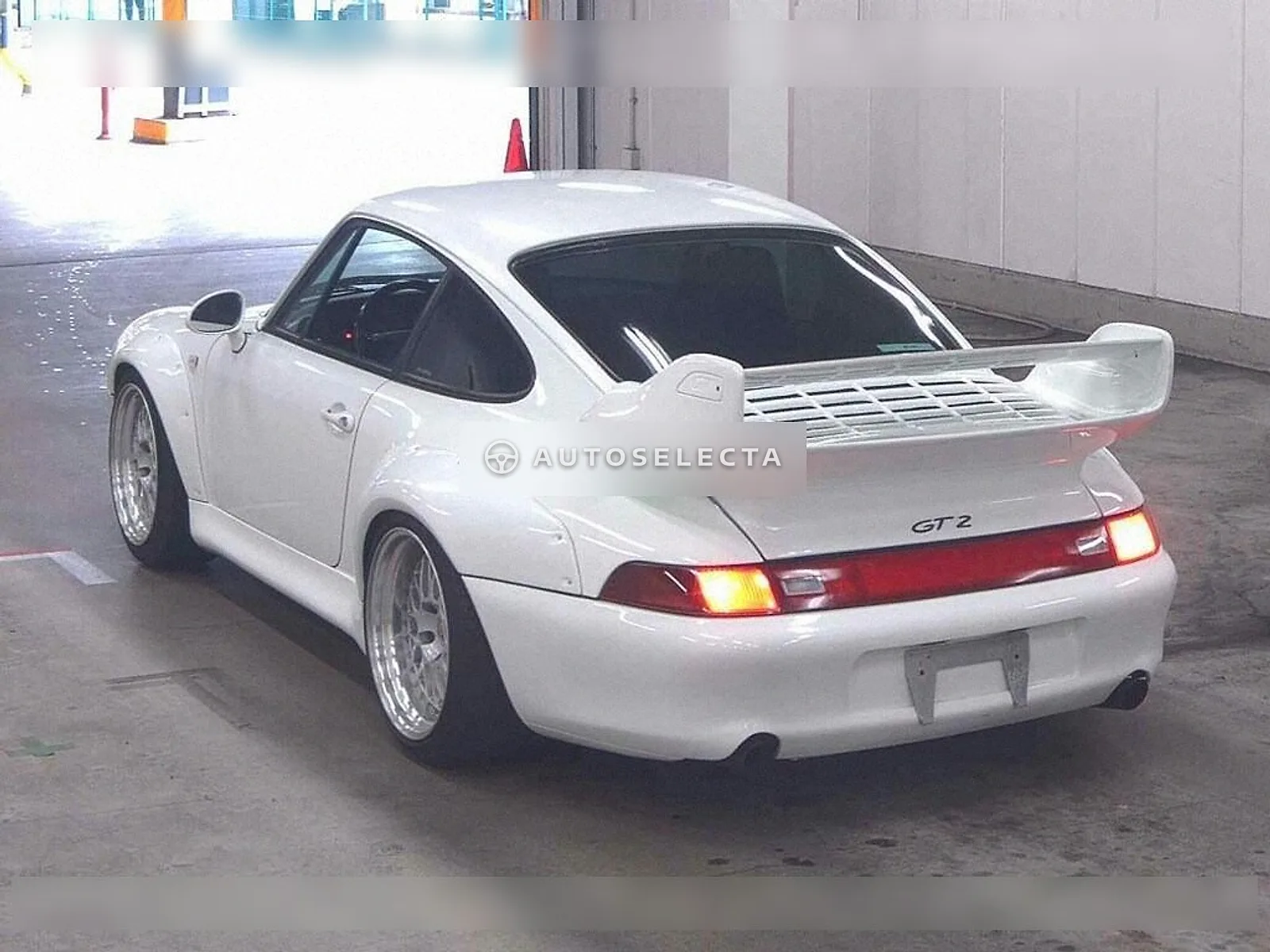
Germany is a good destination for a low-mileage Porsche, a BMW M car, a Mercedes AMG or a Japanese performance classic from Japan's auctions. Many of the European cars there have extensive factory options, excellent presentation and a choice of left-hand or right-hand drive. But Germany has specific technical approval, emissions and registration rules, and you should understand them before you buy, especially for a car never sold officially in Europe.
At a glance
- Both Japanese-market cars and European cars sold in Japan can be imported, if they meet the requirements.
- Many imports need an individual technical inspection (Einzelabnahme or Vollgutachten) from an organisation such as TÜV or DEKRA.
- A European badge does not mean a Japanese-market car has European type approval.
- Import VAT is 19%. Customs duty depends on classification and origin, and reduced or zero duty may apply to qualifying Japanese-origin cars.
- Check the approval and documentation position before you bid.
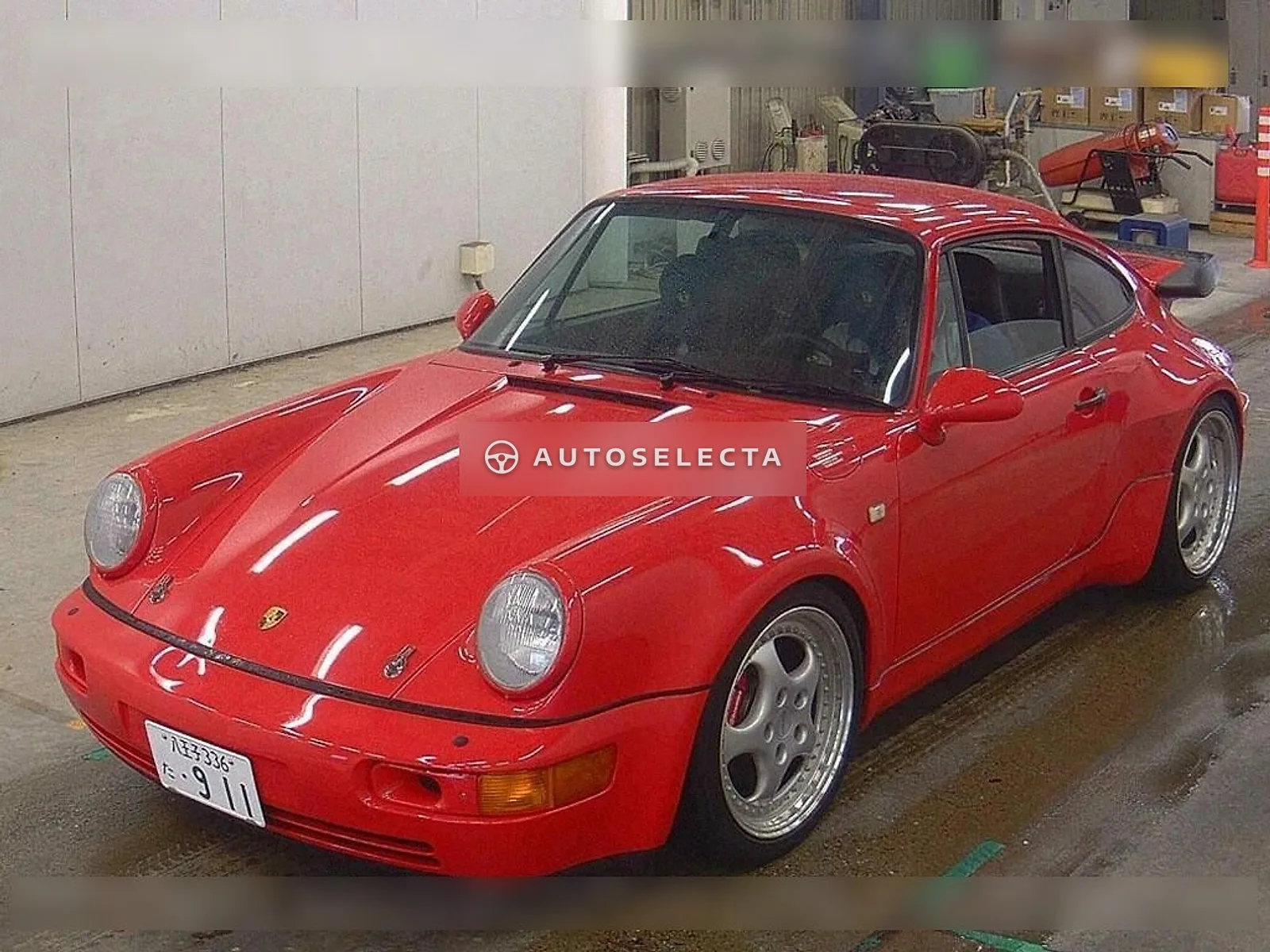
Can you import a car from Japan to Germany?
Yes. Japanese-market cars and European cars originally sold in Japan can both be imported and registered in Germany, provided they satisfy the applicable requirements. European models can be relatively straightforward, especially when the exact specification has European type approval and the manufacturer can supply supporting documents. Japanese-market cars may need extra testing, technical evidence or modifications. Establish the requirements for the individual car before bidding.
Does a Japanese import need TÜV approval?
Many imports need an individual technical inspection under Section 21 of Germany's Road Traffic Licensing Regulations, known as a Vollgutachten or Einzelabnahme. An authorised organisation such as TÜV or DEKRA carries it out to decide whether the car can be approved for German roads. Inspectors may look at lighting, brakes, emissions, noise, tyres and technical specification.
If the car has recognised European type approval and a valid Certificate of Conformity, the process may be simpler. But a European manufacturer's badge does not automatically mean the Japanese-market car has European approval.
Emissions and documents
Emissions compliance is one of the more important points for a Japanese-specification car. Germany requires evidence of the car's emissions classification and technical characteristics for registration and taxation. Depending on the car, that could be a Certificate of Conformity, a technical data sheet or other recognised emissions evidence. Organisations such as TÜV NORD can provide technical data sheets for some imported cars, which helps establish what individual approval needs.
For unusual Japanese models, getting the right documents can sometimes cost more than the physical inspection. That is why you should check the available evidence before you buy.
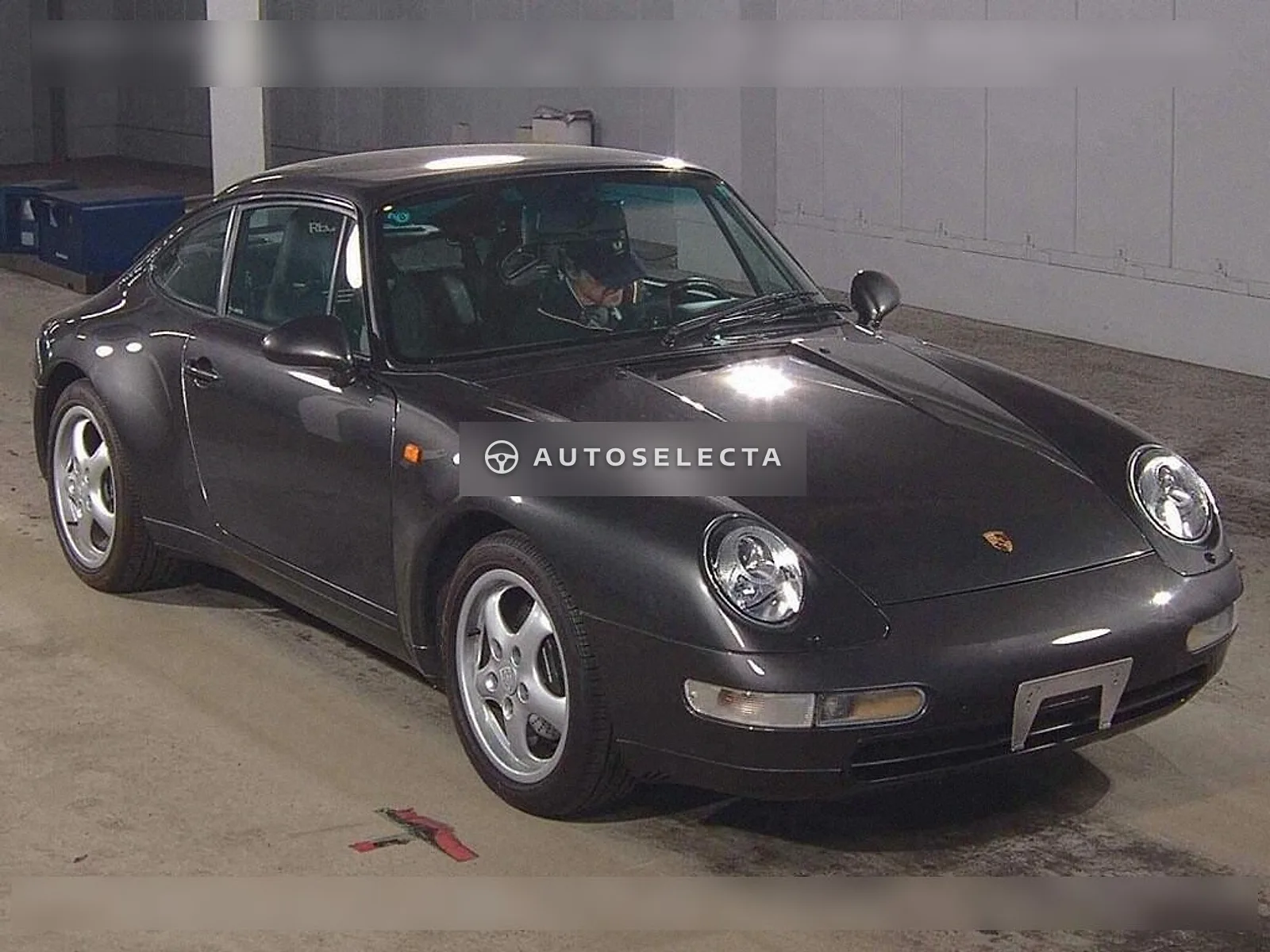
Will it need modifications?
Some imports need changes before German registration. Common areas are:
- Headlights
- Rear fog lighting
- Speedometer displays
- Other equipment that differs from German requirements
Right-hand drive cars may need their lighting adjusted so it does not dazzle oncoming traffic. Modified performance cars can be harder, especially where exhausts, suspension or wheels lack recognised approval. European cars originally supplied in Japan may need little physical conversion, but that depends on the specification and documents.
What it costs
The auction price is only the start. Allow for shipping, auction fees, customs duty where it applies, German import VAT, technical inspections, any modifications and registration.
Germany generally applies 19% import VAT. Customs duty depends on the car's classification, origin and whether preferential treatment is available. The EU-Japan trade agreement can give reduced or zero duty for qualifying Japanese-origin cars. But a European-built BMW or Porsche bought in Japan does not automatically count as Japanese origin, and you need proof of origin and the right customs documents.
Our cost calculator helps estimate the cost of importing your chosen car before you bid. For a more accurate figure, contact us with the car details and destination, and we can look into shipping and any charges that need separate confirmation.
Registering in Germany
Once the car has arrived and cleared customs, it goes through technical approval and registration. Your local registration office, the Zulassungsstelle, will generally ask for:
- Proof of ownership and the Japanese vehicle documents
- Evidence of customs clearance
- Insurance confirmation (an electronic eVB number is normally required)
- The technical inspection or approval documents
After approval the car is registered and issued German plates. Requirements can vary by car and by office, so check with the relevant office before importing.
Why buy through Autoselecta
Japan gives German buyers access to highly specified BMW and Mercedes performance cars, collectible Porsches and rare Japanese classics. Many European cars there are left-hand drive, which suits Germany. On Autoselecta you get the auction sheets translated into English, clear cost estimates and help with international shipping. For unusual Japanese-market models, check the technical approval position before bidding.
With the right documents and a properly worked-out landed cost, importing from Japan can be a very attractive alternative to buying locally.