









How It Works
Japanese Car Auction Starting Prices Explained
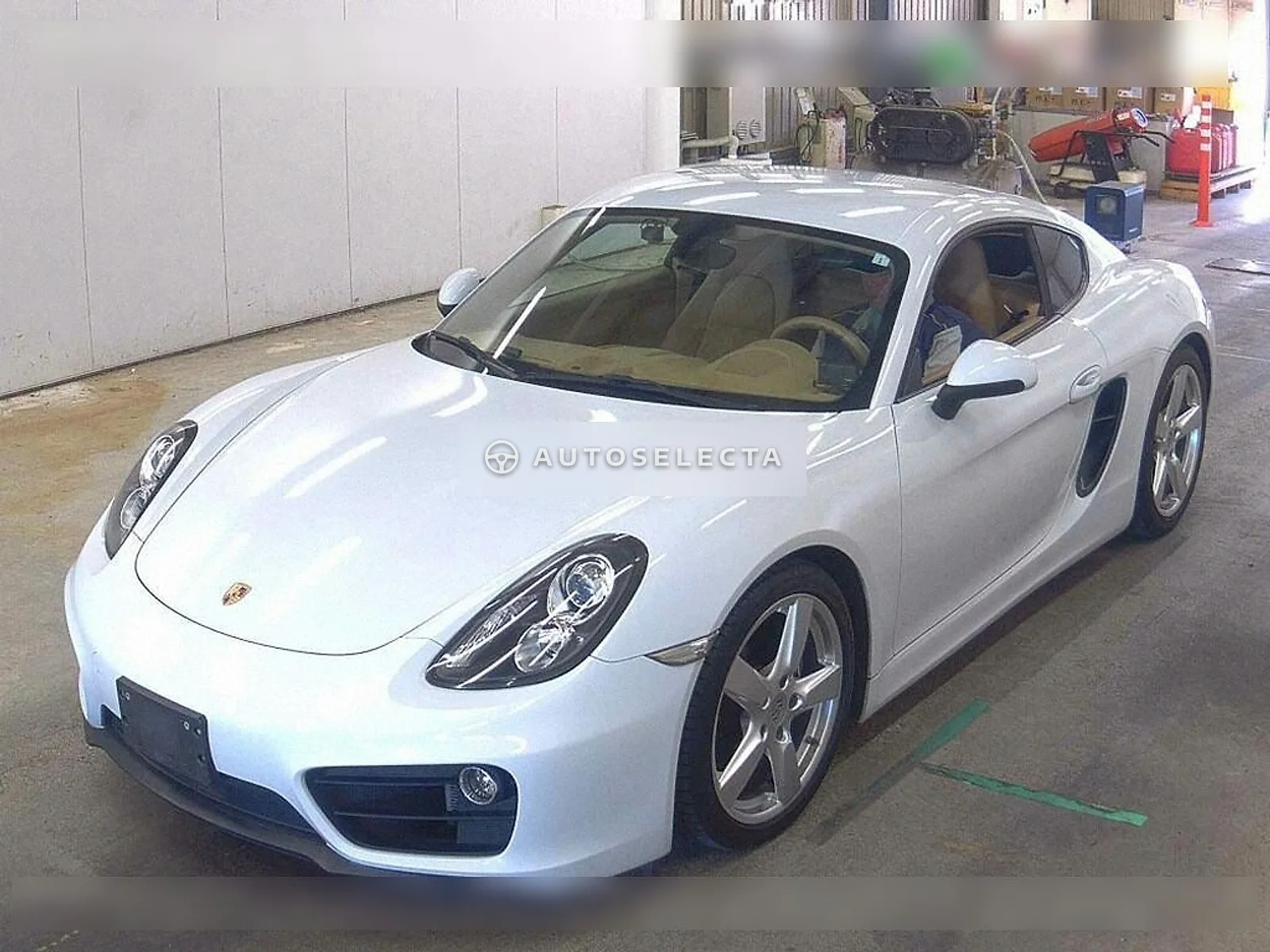
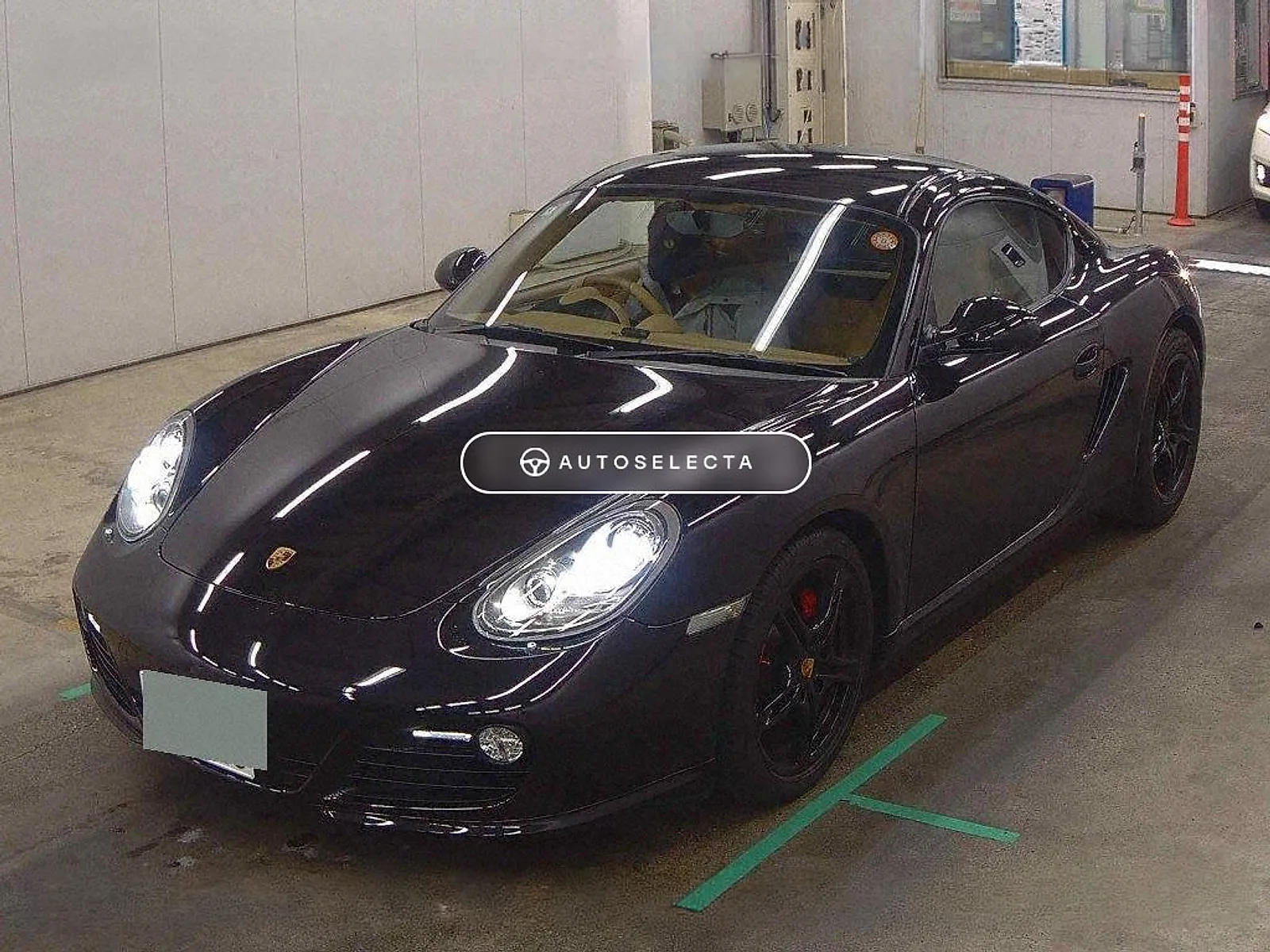
You open a Japanese auction listing and see a Porsche 911 starting at £500, or a Skyline GT-R at £2,000. They look like bargains. They are not, because the starting price is one of the most misunderstood numbers in the process. It is not the car's value, and it is not the lowest price the seller will accept.
This post explains what the starting price means, how proxy bidding works and how to set a maximum bid that makes sense.
At a glance
- The starting price is only where bidding begins. Desirable cars often sell for many times it.
- The seller can have a much higher minimum in mind. If bidding does not reach it, the car goes unsold or into negotiation.
- You set a maximum bid on our site. Our team places it at the auction, and you can win for less than your maximum.
- Set your maximum from previous auction results and your full landed budget, not the opening price.
- Bids close at 9pm UK time the evening before the auction day in Japan.
What the starting price means
It is simply the amount at which bidding starts. It can be set very low to draw interest, and some sellers choose figures that bear little relation to the eventual price. Two similar cars can start at very different prices and still sell for about the same amount.
Japanese auctions are built to sell large numbers of cars quickly. A low opening price attracts attention, particularly when the car is likely to draw strong competition. The seller may have a much higher minimum in mind. If bidding does not reach it, the car can stay unsold or go to negotiation. Different auction houses use different systems, so the details vary. A £500 start does not mean the seller will release the car for £500.
What happens once bidding starts
Auctions move fast. Some cars attract very little interest, while desirable performance cars can see intense competition between professional buyers. The opening price becomes irrelevant almost immediately, and for sought-after cars the final price can be many times the starting figure. That is especially true of collectible Japanese performance cars, low-mileage European sports cars and cars with desirable factory specifications.
Proxy bidding: your maximum is a limit
On Autoselecta you set a maximum bid on our site before the auction. Our team then places the bid at the auction for you, aiming to win at the lowest price that works. Your maximum is the most you are prepared to pay at the auction, not what you will automatically pay.
For example, you might set a maximum of £20,000, and the car could still be won for £17,500 if that is enough. The result depends on competing bids and the auction house's rules.
To bid, we hold a £2,000 deposit on a Visa or Mastercard for a maximum bid up to £30,000. It is not taken unless you win. Above £30,000 the deposit is 10% of your maximum by bank transfer. It is returned if the bid does not win.
Can a car sell below your maximum?
Yes, and that is one of the benefits of proxy bidding. If the car can be won for less than your maximum, the hammer price can be lower.
A car can also go unsold if bidding does not meet the seller's requirements, even when the reported bidding was below your maximum. A later negotiation may be possible in some cases, but it is not guaranteed and may involve extra charges. An unsold result is not necessarily a missed chance or a mistake in the bidding.
How to tell what a car is really worth
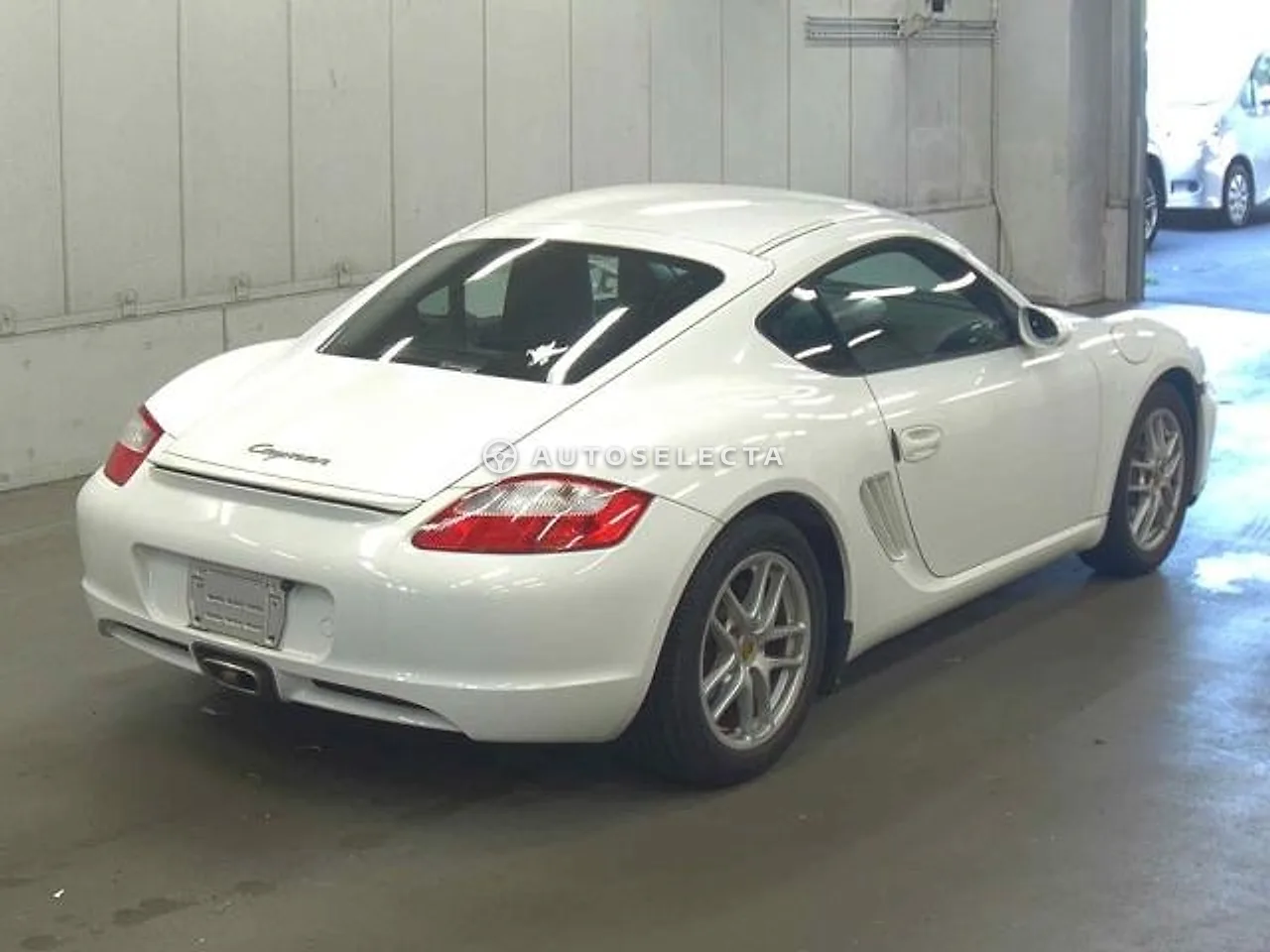
Start with previous auction results. Ignore the opening price and compare cars of the same model, year, specification, mileage and condition. A low-mileage 911 with a manual gearbox and an excellent grade can sell for far more than a higher-mileage car with cosmetic flaws. The same goes for a Skyline GT-R, Honda S2000 or BMW M3. Colour, original equipment and history all move the price.
On Autoselecta you can review previous auction results to build a realistic picture of the market. Your maximum bid should reflect the car, not the number printed beside it.
Auction grade helps, but it is not everything
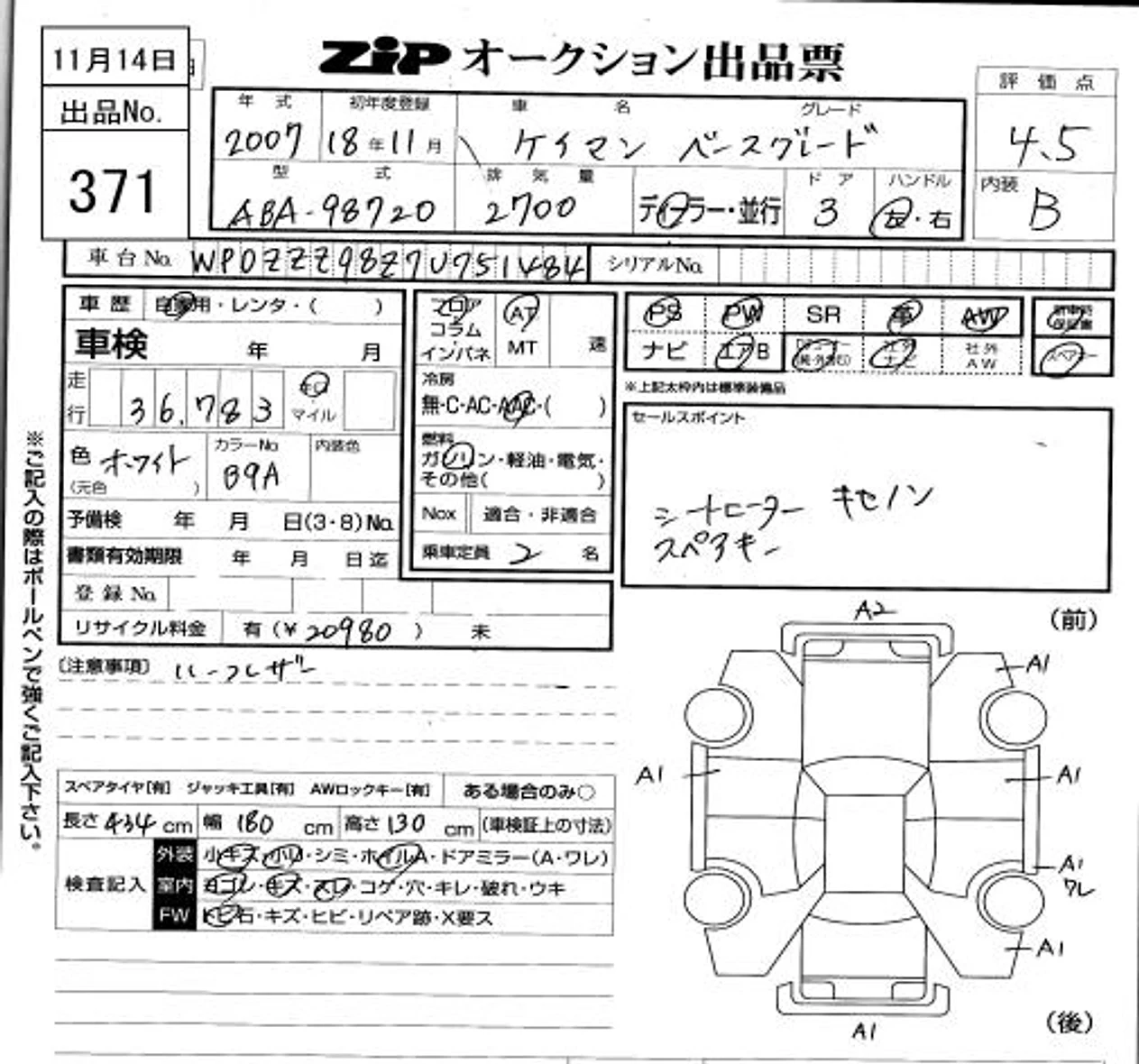
Auction sheets, translated into English on our site, tell you a lot about apparent condition. A high grade can support a stronger valuation, particularly with low mileage, originality and good equipment. A grade 4.5 car can command a considerable premium over a 3.5.
But grades are not identical across every auction house, and they do not replace a mechanical examination. The inspector's comments and the car's history still matter. A repaired car (grade R) with excellent presentation can still need careful investigation. Never set your maximum on the grade alone.
How much should you bid?
Work backwards from your total budget.
- Find out what comparable cars have sold for.
- Add shipping, auction fees, our fee, import taxes and any registration or technical approval costs.
- Use our Japanese Car Import Cost Calculator to check the total.
If your maximum landed budget is £25,000, your auction bid has to leave room for all of that. It is far better to miss a car by sticking to a sensible budget than to win one that costs more than you planned.
When bids close
Bids close at 9pm UK time the evening before the auction day in Japan. For cars whose minimum bid is over £30,000, bids close at noon UK time the day before, because the bank transfer deposit has to arrive first. Each listing shows its own countdown and deadline.
If you want an Inspector Report Package, or a shipping quote, contact us well in advance. For anyone new to Japanese auctions, timing is as important as the maximum bid itself.
The Autoselecta view
The most expensive mistake at a Japanese auction is not necessarily bidding too much. It is misunderstanding what the numbers mean. A £500 Porsche is not automatically a bargain, and a high starting price does not mean poor value.
What matters is what the car actually sells for, how its condition compares with the alternatives and the total imported cost. Understand those three things and Japanese auctions become a far better place to buy your next car.
Start searching Japanese auctions
- Browse live Japanese car auctions
- Calculate your import costs
- Ask us on WhatsApp if you want help reading a listing, choosing a maximum bid or looking at previous sales.
Our overview of how Japanese car auctions work covers the wider process.